
Tips
Sustainable Building
As the world increasingly shifts towards eco-friendly practices, sustainable building has become a vital consideration for homeowners and builders alike. New Zealand, with its own very unique environmental challenges and government initiatives, is at the forefront of this green building movement. Whilst certainly not an exhaustive list, we’ve compiled a few tips when it comes to designing sustainable buildings here in New Zealand.
Embrace Energy-Efficient Design
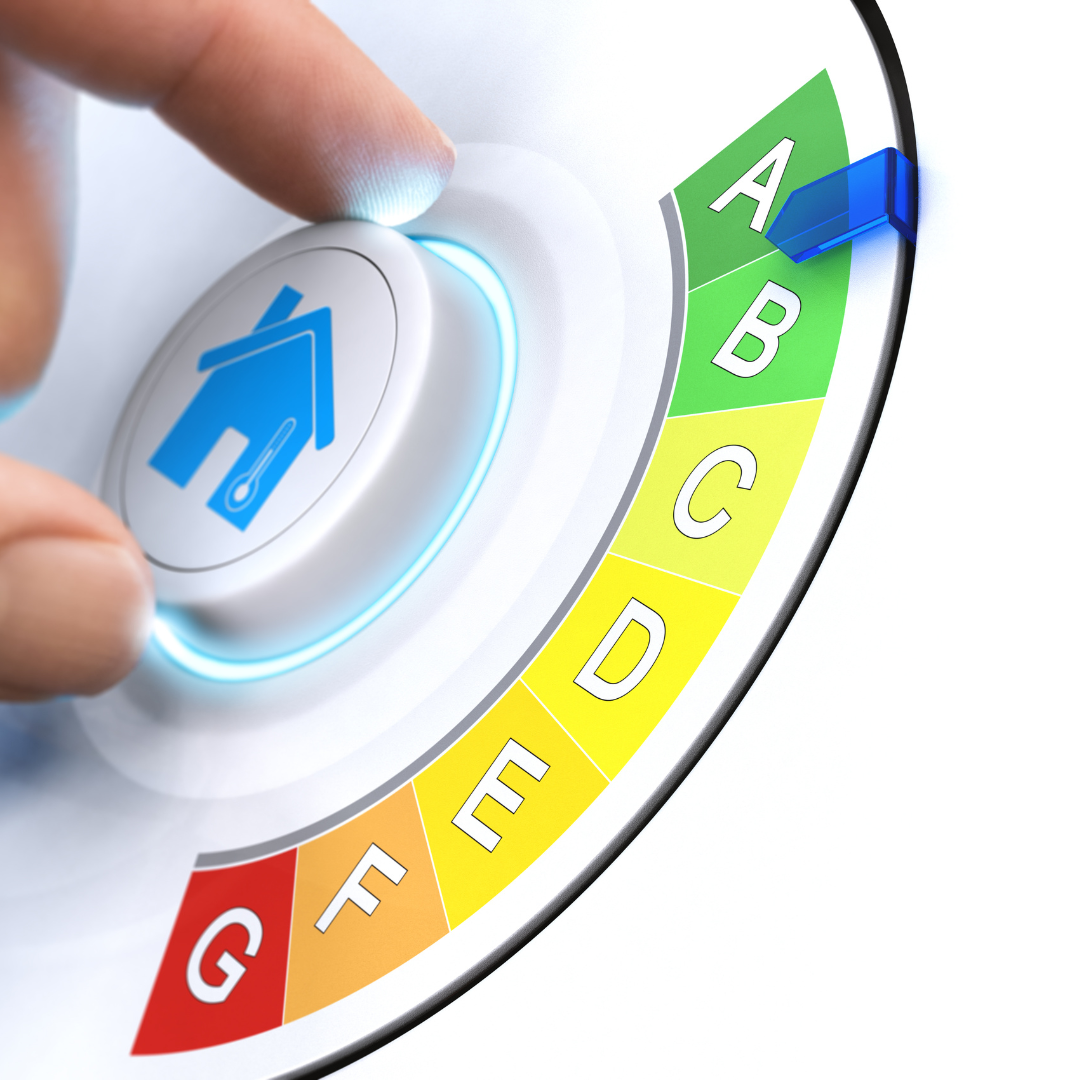
Designing a home that maximises energy efficiency is crucial for sustainability. This includes:
- Passive Solar Design: Orienting your home to make the most of the sun’s natural heat can significantly reduce heating costs. Incorporate large, north-facing windows and use thermal mass materials to store and slowly release heat.
- Insulation: Proper insulation in walls, floors, and ceilings keeps your home warm in winter and cool in summer, reducing the need for artificial heating and cooling.
- Energy-Efficient Appliances: Opt for appliances with high energy ratings to minimize electricity consumption.
Use Sustainable Materials
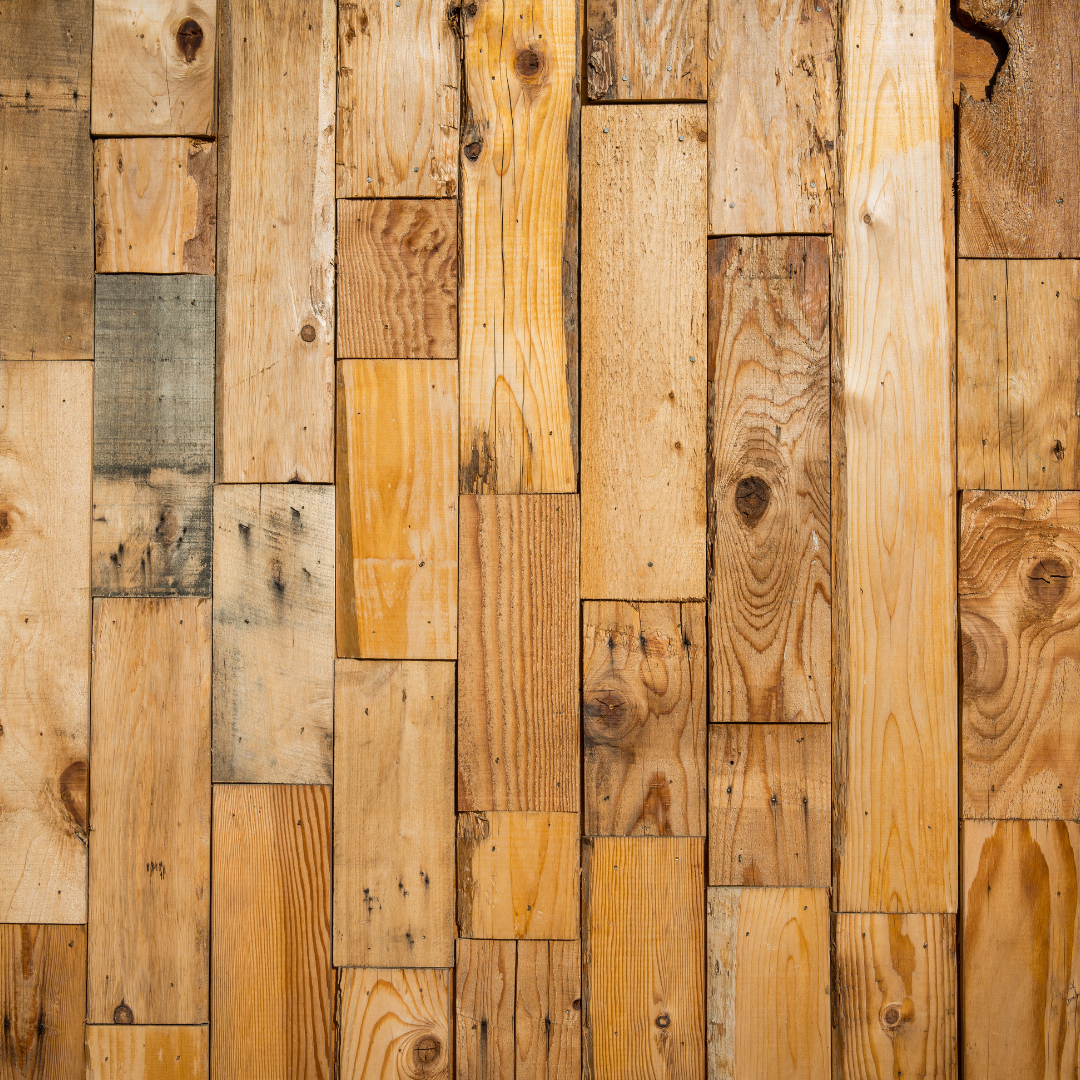
Choosing sustainable building materials reduces the environmental impact of your home. Consider:
- Recycled Materials: Incorporate recycled or reclaimed materials where possible, such as timber, steel, and concrete… and of course recycled void fillers (hint, hint!)
- Locally Sourced Materials: Reduce transportation emissions by using materials made and sourced within New Zealand.
- Eco-Friendly Products: Use products with low environmental impact, such as low-VOC paints and sustainable insulation materials.
Water Conservation All The Way
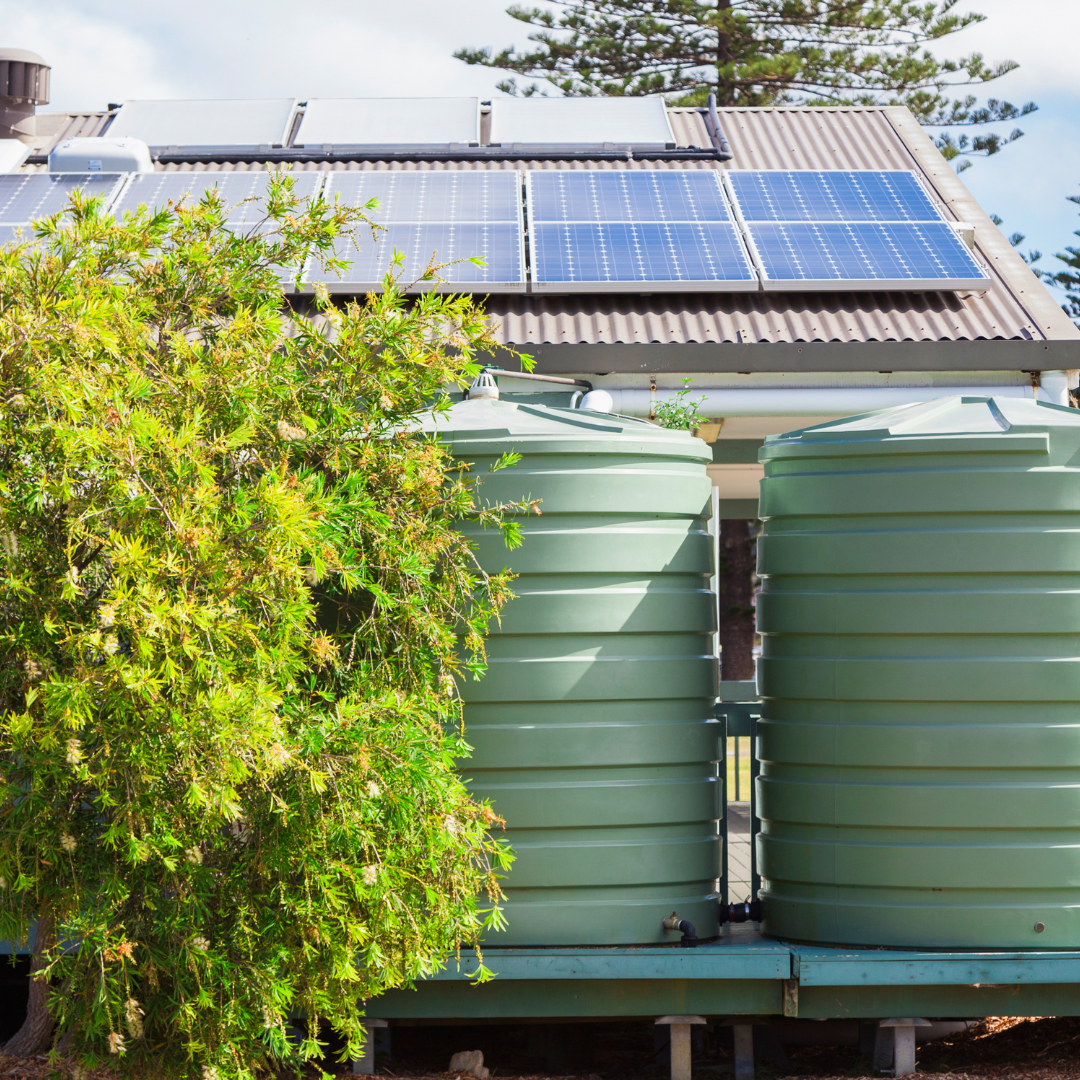
Water is a precious resource, and conserving it should be a priority in sustainable building. Strategies include:
- Rainwater Harvesting: Install rainwater collection systems to use for irrigation, toilet flushing, and even potable water with proper filtration.
- Efficient Fixtures: Choose low-flowtaps, showerheads, and of course dual-flush toilets to reduce water usage.
- Greywater Systems: Implement systems to reuse water from showers, sinks, and washing machines for irrigation and other non-potable uses.
Incorporate Renewable Energy
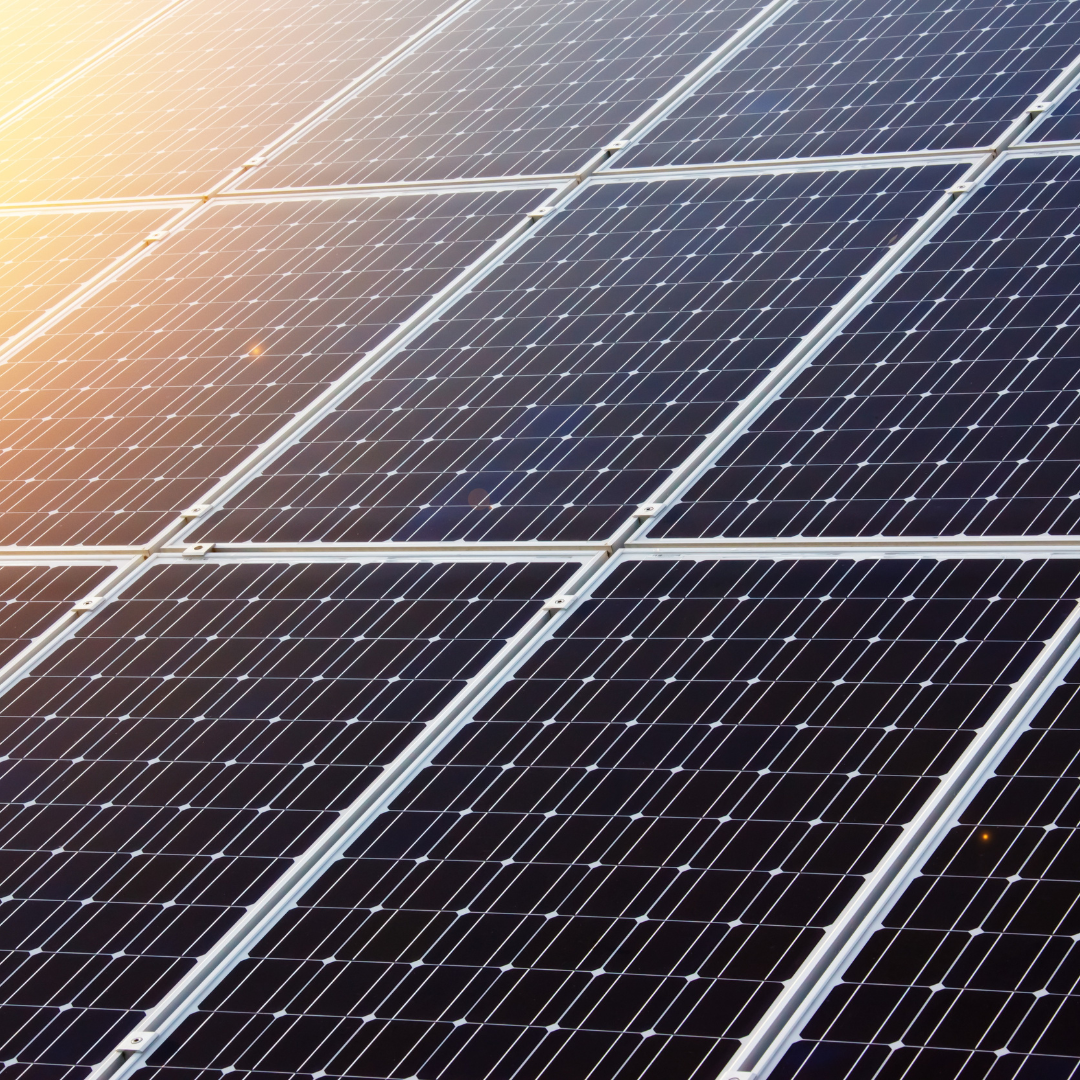
Integrating renewable energy sources into your building design is a key component of sustainable construction. Solar power is just one idea in terms of energy to consider:
Solar Power:
- Solar Panels: Install photovoltaic (PV) panels on the roof or other suitable areas to convert sunlight into electricity. This can significantly reduce reliance on grid power and lower energy bills.
- Solar Water Heating: Use solar thermal systems to heat water for domestic use, reducing the need for conventional water heaters and saving energy.
Sustainable Landscaping

Incorporating native plants and sustainable landscaping practices around your building not only enhances the aesthetic appeal but also supports the local ecosystem. One tip (again, of many) would be to plant drough-resistant plants.
Native New Zealand plants such as Pohutukawa, Hebe, and Flax (Harakeke) are well-adapted to the local climate and require less water compared to exotic species.
Another idea could be to implement drip irrigation systems and use mulch which can help retain soil moisture and reduce water evaporation.
Lifecycle Assessment

A lifecycle assessment of building materials considers their environmental impact from production to disposal. Key aspects include:
- Longevity: Choose long-lasting materials like recycled steel and sustainably sourced timber.
- Low Maintenance: Opt for materials requiring minimal upkeep, reducing costs and environmental impact
- End-of-Life Recycling: Select materials that can be easily recycled, like metals and glass.
- Repurposing Potential: Use materials that can be upcycled, such as reclaimed wood.
- Production Process: Prefer materials with lower production emissions.
- Transportation: Choose locally sourced materials to reduce transport emissions.
Educate and Advocate
Stay informed about sustainable building practices and advocate for them within your community. Sharing knowledge and promoting eco-friendly methods can significantly impact the environment. This list is just the beginning when it comes to exploring sustainable building practices, and we’d love to discuss these ideas further with you.
At QPOD, we believe every building project is an opportunity to make a positive impact.
Explore more from QPOD
The Pros and Cons of Side Edge Insulation in Foundations
When building here in New Zealand where climate conditions can vary significantly, insulation is a key consideration for energy efficiency and overall comfort. Side edge insulation in foundations is a popular option. This article explores the pros and cons of side...
Understanding the Lifecycle of Concrete: A Look at the LCA and Carbon Impact in New Zealand Construction
Concrete is a fundamental material in modern construction, known for its durability and versatility. In New Zealand, concrete is widely used in residential building projects, including the foundations that QPOD supports with our recycled void formers. While concrete's...
The Evolution of Foundations
The concept of building foundations dates back to ancient civilizations. One of the earliest examples is the use of stone slabs by the ancient Egyptians around 2600 BC to support the massive weight of the pyramids. These early foundations were simple yet effective,...
The Building Envelope | Webinar Recording
In this webinar we were joined by the team from Durapanel to discuss the Building Envelope. In this webinar we unpack both Durapanel and QPOD products and take a look at how they are enhancing energy efficiency, reducing onsite waste, and providing superior insulation...
Balancing Insulation Standards in Sustainable Building Practices
As an earth-friendly provider of building solutions, QPOD is dedicated to promoting sustainable practices in the construction industry. The recent article on 1News, "Govt Considers Rolling Back Home Insulation Standards," highlights a critical discussion about the...
Underslab Insulation Types in New Zealand: An In-Depth Comparison
Choosing the right underslab insulation is crucial for constructing energy-efficient buildings in New Zealand. Different insulation materials offer varying levels of thermal performance, moisture resistance, and structural strength. Below, we take a dive into some of...