
Choosing the right underslab insulation is crucial for constructing energy-efficient buildings in New Zealand. Different insulation materials offer varying levels of thermal performance, moisture resistance, and structural strength. Below, we take a dive into some of the common types of underslab insulation used in New Zealand, their benefits and drawbacks, and considerations for selection.
Common Types of Underslab Insulation
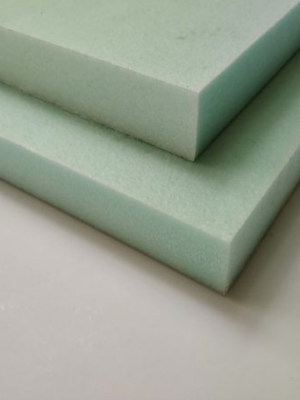
Extruded Polystyrene (XPS)
-
- Properties: XPS is known for its high compressive strength, excellent moisture resistance, and consistent R-value over time. It is produced through an extrusion process resulting in a closed-cell foam structure.
- Applications: Ideal for applications requiring durability and moisture resistance, such as under concrete slabs, foundation walls, and below-grade installations.
- Performance: XPS provides a high R-value per inch, typically around R-5. Its closed-cell structure ensures minimal water absorption, making it effective in preventing frost heave and maintaining thermal performance.
- Positives: High thermal resistance, excellent moisture resistance, long-term durability, no waste or mess when cut.
- Negatives: Slightly higher cost due to superior performance when compared to EPS.

Expanded Polystyrene (EPS)
-
- Properties: EPS is a lightweight insulation material with good thermal resistance. It is made from expanded beads of polystyrene and has an open-cell structure, making it less moisture resistant than XPS.
- Applications: Commonly used in applications where high compressive strength is not a primary concern. Suitable for under concrete slabs, wall systems, and general insulation purposes.
- Performance: EPS offers an R-value per inch of around R-4. Its moisture resistance is adequate for many applications but is more susceptible to water absorption than XPS.
- Positives: Cost-effective, lightweight, and easy to handle.
- Negatives: Lower moisture resistance, reduced compressive strength compared to XPS and messy when cut.
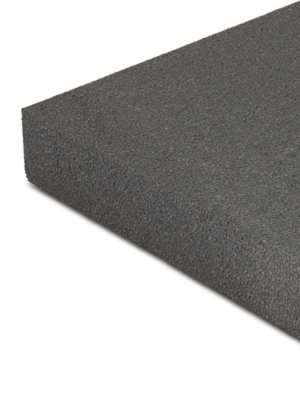
Graphite-Infused EPS (Platinum Board)
-
- Properties: This type of EPS is infused with graphite particles, which enhance its thermal performance by reflecting radiant heat. It retains the lightweight and easy-to-handle properties of standard EPS.
- Applications: Used similarly to standard EPS but with improved thermal performance, making it suitable for applications requiring higher insulation values within limited space.
- Performance: The addition of graphite boosts the R-value per inch, making it a more efficient insulator compared to regular EPS.
- Positives: Higher R-value compared to standard EPS, lightweight, and easy to install.
- Negatives: Slightly higher cost than regular EPS.
Considerations for Underslab Insulation Selection
- Project Requirements: Consider the specific needs of your project, including thermal performance, moisture resistance, and structural demands.
- Local Climate: The climatic conditions in New Zealand can vary significantly. Choose insulation materials that perform well in the local environment.
- Building Code Compliance: Ensure that the selected insulation meets the New Zealand Building Code requirements for energy efficiency and durability.
- Compressive Strength: Evaluate the compressive strength of the insulation, especially for load-bearing applications. This ensures the material can support the weight of the concrete slab without being crushed.
- Constructability: Consider the ease of installation and how the insulation will integrate with other building components. This includes assessing the need for cutting and fitting around obstacles like piles and footings.
To Summarise
Choosing the right underslab insulation is a pivotal decision in building design, directly impacting energy efficiency, durability, and overall performance. XPS insulation stands out due to its high thermal resistance, excellent moisture protection, and superior compressive strength, making it an ideal choice for robust, long-lasting insulation solutions.
While materials like EPS and graphite-infused EPS offer cost-effective alternatives with good performance, XPS consistently delivers top-tier performance without the mess of EPS. By prioritising project requirements, local climate considerations, and building code compliance, architects and builders can make informed decisions to enhance their construction projects with XPS underslab insulation.