
Deep Dive
The Lifecyle of Concrete
Concrete is a fundamental material in modern construction, known for its durability and versatility. In New Zealand, concrete is widely used in residential building projects, including the foundations that QPOD supports with our recycled void formers. While concrete’s strength is undeniable, understanding its lifecycle and carbon impact is crucial for promoting sustainable building practices.
The Lifecycle of Concrete
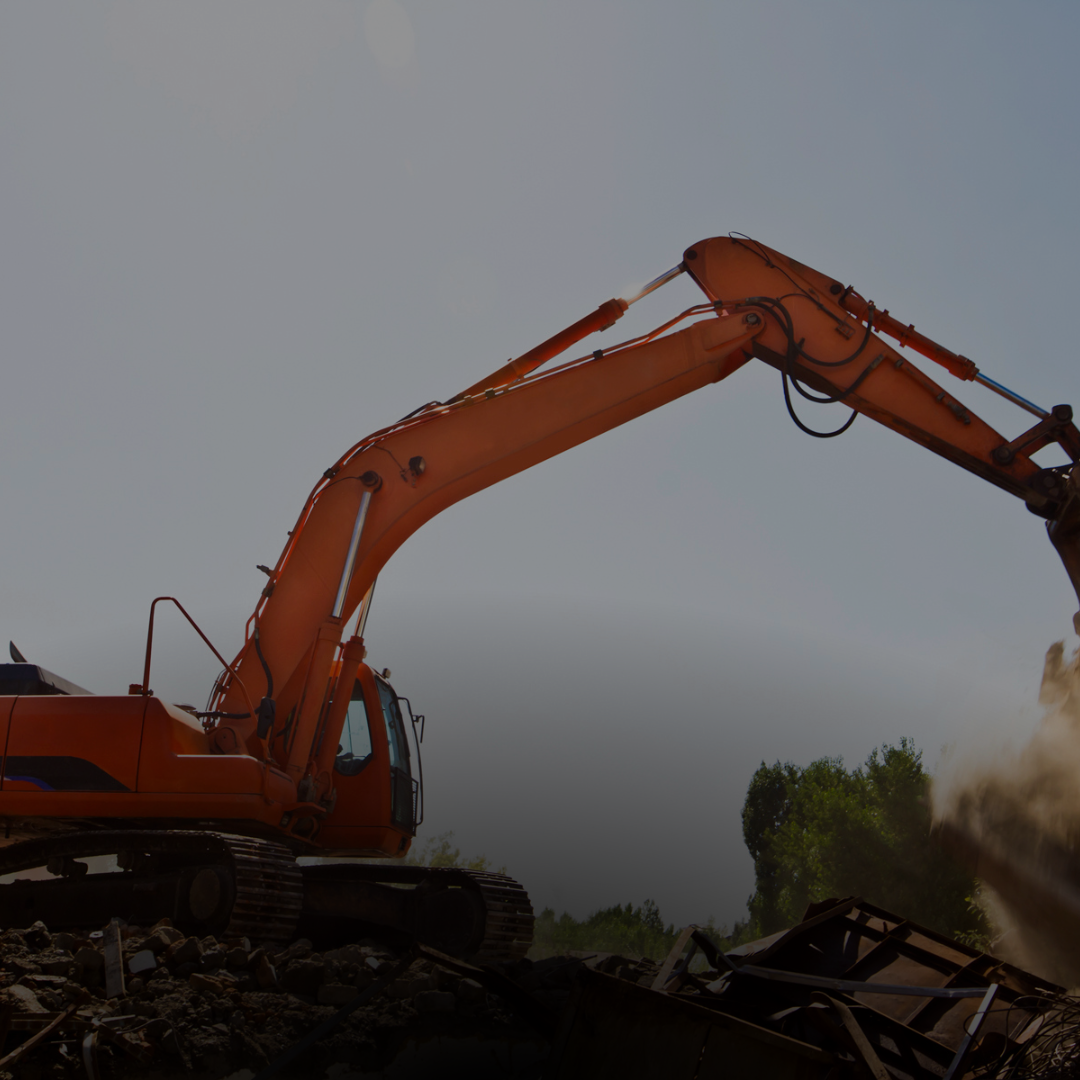
The lifecycle of concrete can be broken down into few stages:
- Raw Material Extraction:
- Components: Concrete is primarily composed of cement, aggregates (sand, gravel, crushed stone), and water.
- Extraction Impact: The extraction of raw materials, especially limestone for cement production, has significant environmental impacts, including habitat destruction and resource depletion.
- Manufacturing:
- Cement Production: Cement manufacturing is the most energy-intensive part of the concrete lifecycle, contributing to approximately 8% of global CO2 emissions . The process involves heating limestone in kilns to produce clinker, which is then ground to make cement.
- Energy Use: The high energy consumption in cement production results from the fuel used to heat kilns and the chemical reactions that release CO2.
- Transportation:
- Material Transport: Transporting raw materials to production sites and concrete to building sites involves additional carbon emissions.
- End-of-Life:
- Demolition and Recycling: At the end of its useful life, concrete can be crushed and recycled as aggregate for new concrete, reducing the demand for new raw materials and lowering the carbon footprint.
Lifecycle Assessment (LCA)
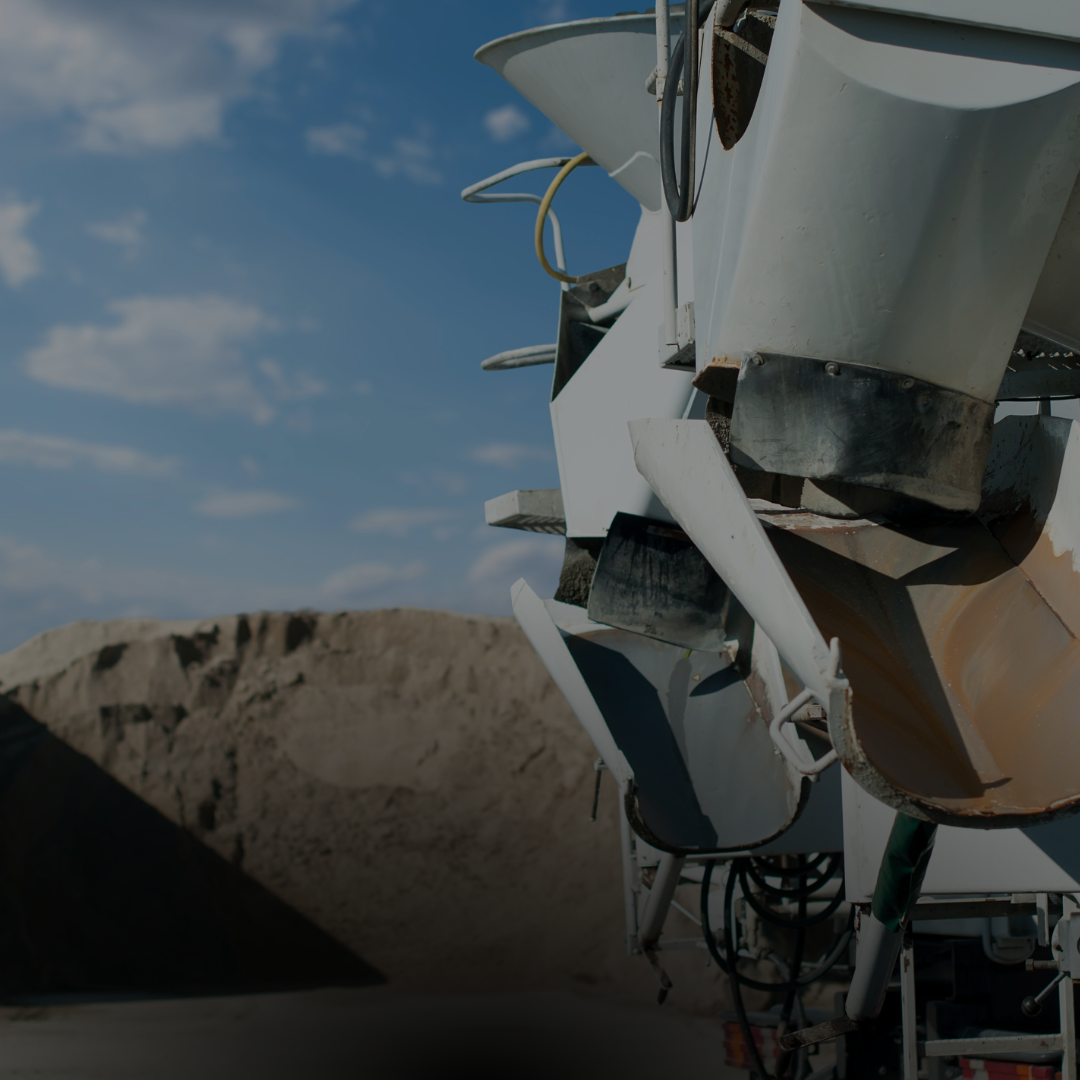
Conducting a lifecycle assessment (LCA) of concrete helps quantify its environmental impacts at each stage. Here in New Zealand, where sustainability is a growing priority, understanding these impacts is essential for making informed construction choices.
- Carbon Emissions:
- Cement Production: The largest source of CO2 emissions in concrete’s lifecycle. Innovations in low-carbon cement and alternative fuels are being explored to mitigate these emissions. Here in New Zealand companies such as Allied Concrete with their Ecrete product, or new players Neocrete, amongst others are offering viable eco-friendly alternatives.
- Overall Impact: While concrete has a high initial carbon footprint, its long-term durability can result in lower overall emissions when compared to materials that require frequent replacement.
- Energy Consumption:
- Production Efficiency: Advances in energy-efficient manufacturing technologies and renewable energy sources as highlighted above can reduce the energy consumption associated with concrete production.
- Mitigation Strategies:
- Use of Supplementary Cementitious Materials (SCMs): Concrete NZ is undertaking research into SCMs which incorporate fly ash, slag, and silica fume in concrete mixes can reduce the amount of cement needed, lowering the carbon footprint.
- Innovative Products: Our own QPOD void formers are an example of how innovative products can enhance the sustainability of concrete foundations by reducing the volume of concrete required without compromising structural integrity.
Concrete in NZ Housing
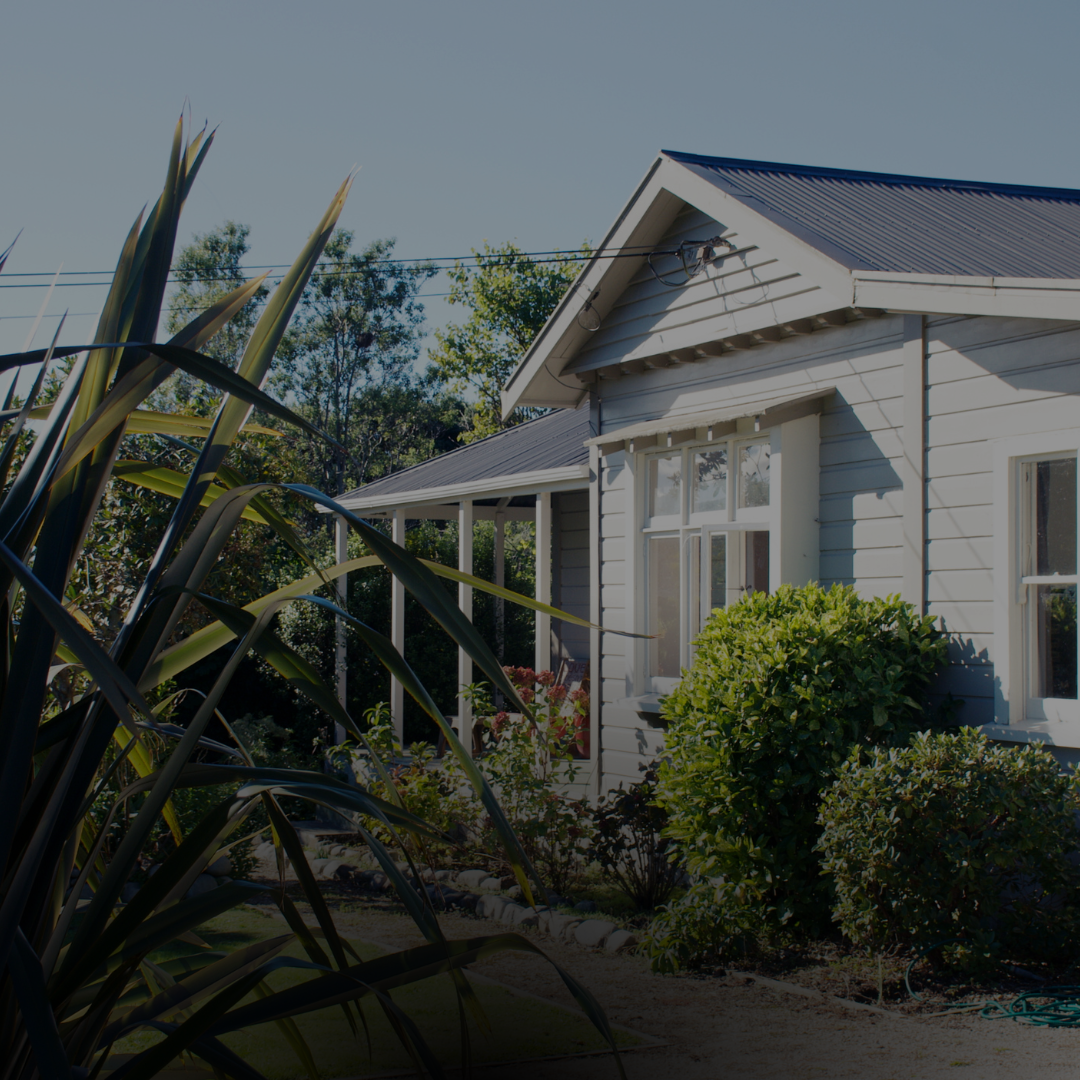
In New Zealand, concrete is our go-to material for residential foundations due to its strength, fire resistance, and thermal mass properties. When considering its environmental impact:
- Carbon Impact of Foundations vs. Entire Home:
- Foundations: The foundations of a house, typically constructed using concrete, can contribute up to 15-22.8% of the total carbon emissions of the entire building project (when tested on a global standard).
- Rest of the Home: The remaining carbon impact comes from other materials and systems used in the construction, such as framing, insulation, roofing, and interior finishes. Factors like energy use during occupancy and the overall design efficiency also play significant roles in the total carbon footprint.
- Local Sourcing:
- Reduced Transport Emissions: Sourcing raw materials locally can significantly reduce transportation-related emissions.
- Energy Efficiency:
- Thermal Mass: Concrete’s thermal mass can improve energy efficiency in homes by regulating indoor temperatures, reducing the need for heating and cooling.
- Recycling and Reuse:
- Circular Economy: Promoting the recycling of concrete at the end of its life can support a circular economy, reducing the demand for new raw materials and minimising waste.
To sum up…
Concrete remains a vital material in New Zealand’s construction industry. By understanding its lifecycle and carbon impact, we can make more sustainable choices. Innovations in production, the use of SCMs, and products like our own QPOD void formers contribute to reducing the environmental footprint of concrete. At QPOD, we are committed to supporting sustainable building practices that balance the benefits of concrete with environmental responsibility.
Explore more from QPOD
Case Study: SlabTank, QPOD Continuous, Havelock North
Project Overview Location: 14 Karituwhenua Drive, Havelock North Foundation system: QPOD Continuous and SlabTank™ Builders: Landmark Homes Hawke's Bay, Build 100 Architectural Designer: CT Architecture[ba_image_carousel content_alignment="center"...
QPOD 300 Case Study: Channel Infrastructure, Marsden Point
Project Overview Client: Channel Infrastructure NZ Ltd Location: Marsden Point, Northland Foundation system: QPOD 300mm Total area: 2,051.75 m² Units installed: 4,694 × QPOD 300 pods + 1,086 extenders, 116 end caps, 1,521 spacers Structural engineer: HFC Group...
2025 Impact Report
You Laid Better Foundations This Year If you built with QPOD in 2025, you cut landfill waste, skipped the polystyrene mess, and used smarter materials without paying more. Flip throught the report below to find out what it all added up to — project by project, slab by...
Case Study: QPOD Raft Foundation for Multi-Unit Development in Westshore
Project Overview Location: Westshore, Napier Build type: Multi-unit residential (6 villas) Developer: Oniram Investments Ltd Lead Builder: TW Construction A stepped residential development comprising six villas, designed with shared access and integrated lift...
Case Study: QPOD300 Foundations for Retirement Village Villas
Project Overview Location: King Street, Taradale, Napier As part of the continued development at Ascot Park Retirement Village in Taradale, several new villas were constructed across the site. The development involved the construction of multiple single-storey...
QPOD vs Polystyrene: A Straightforward Cost Comparison for Foundations
One of the most frequent questions we receive relates to cost: Does switching from traditional polystyrene pods to QPOD increase the price of a foundation system? The short answer is no. QPOD's Continuous system in particular is cost-equivalent to polystyrene, with...