
Deep Dive
The Lifecyle of Concrete
Concrete is a fundamental material in modern construction, known for its durability and versatility. In New Zealand, concrete is widely used in residential building projects, including the foundations that QPOD supports with our recycled void formers. While concrete’s strength is undeniable, understanding its lifecycle and carbon impact is crucial for promoting sustainable building practices.
The Lifecycle of Concrete
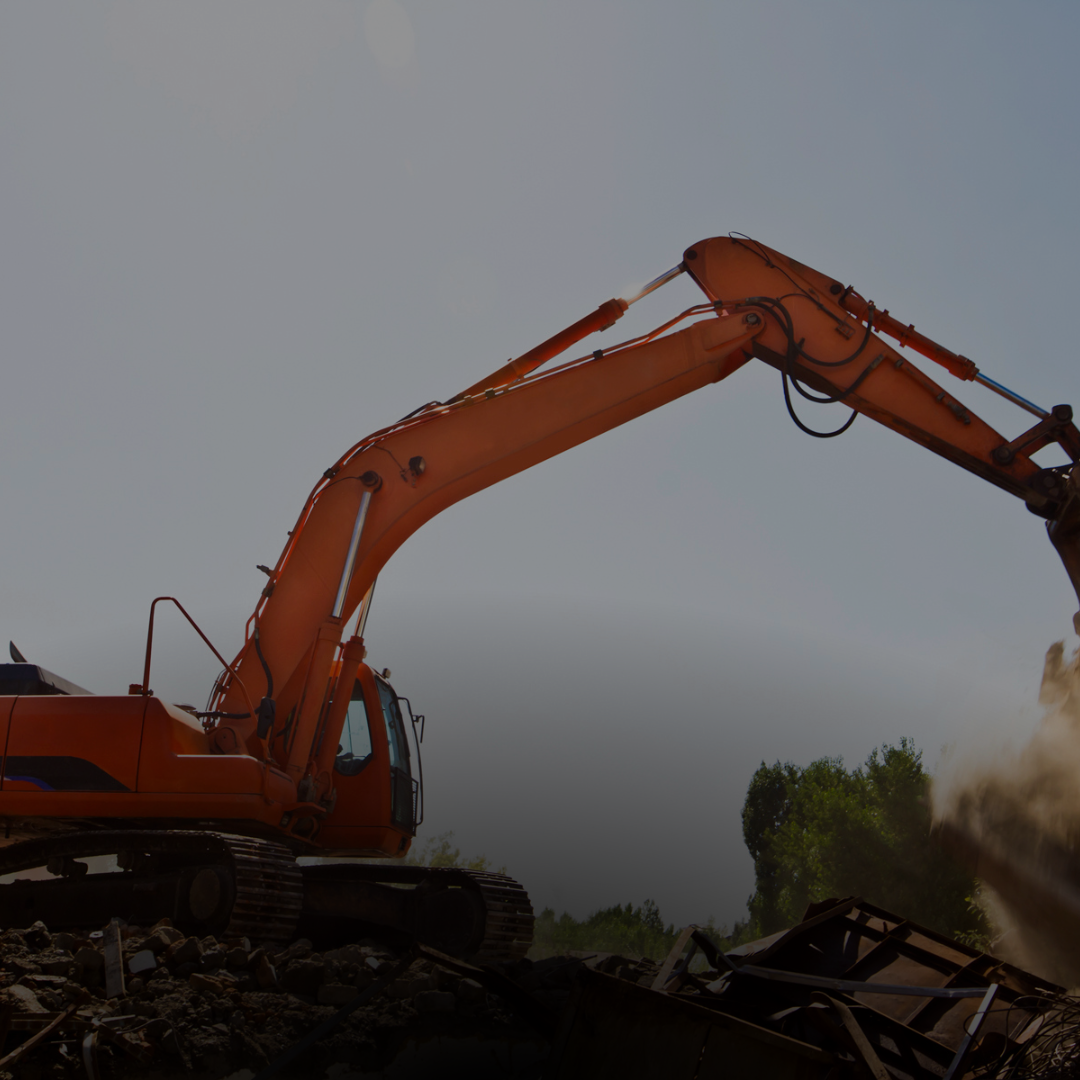
The lifecycle of concrete can be broken down into few stages:
- Raw Material Extraction:
- Components: Concrete is primarily composed of cement, aggregates (sand, gravel, crushed stone), and water.
- Extraction Impact: The extraction of raw materials, especially limestone for cement production, has significant environmental impacts, including habitat destruction and resource depletion.
- Manufacturing:
- Cement Production: Cement manufacturing is the most energy-intensive part of the concrete lifecycle, contributing to approximately 8% of global CO2 emissions . The process involves heating limestone in kilns to produce clinker, which is then ground to make cement.
- Energy Use: The high energy consumption in cement production results from the fuel used to heat kilns and the chemical reactions that release CO2.
- Transportation:
- Material Transport: Transporting raw materials to production sites and concrete to building sites involves additional carbon emissions.
- End-of-Life:
- Demolition and Recycling: At the end of its useful life, concrete can be crushed and recycled as aggregate for new concrete, reducing the demand for new raw materials and lowering the carbon footprint.
Lifecycle Assessment (LCA)
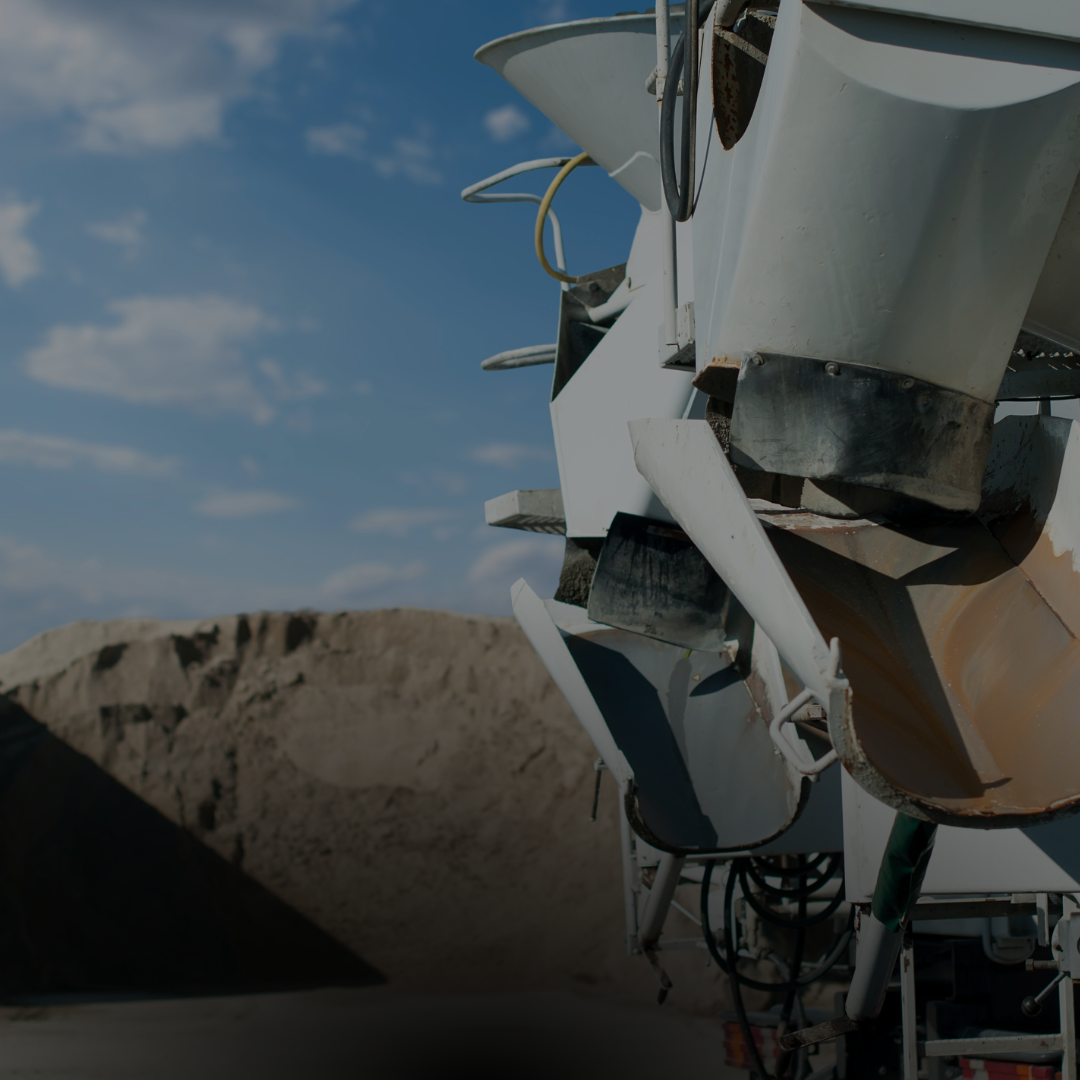
Conducting a lifecycle assessment (LCA) of concrete helps quantify its environmental impacts at each stage. Here in New Zealand, where sustainability is a growing priority, understanding these impacts is essential for making informed construction choices.
- Carbon Emissions:
- Cement Production: The largest source of CO2 emissions in concrete’s lifecycle. Innovations in low-carbon cement and alternative fuels are being explored to mitigate these emissions. Here in New Zealand companies such as Allied Concrete with their Ecrete product, or new players Neocrete, amongst others are offering viable eco-friendly alternatives.
- Overall Impact: While concrete has a high initial carbon footprint, its long-term durability can result in lower overall emissions when compared to materials that require frequent replacement.
- Energy Consumption:
- Production Efficiency: Advances in energy-efficient manufacturing technologies and renewable energy sources as highlighted above can reduce the energy consumption associated with concrete production.
- Mitigation Strategies:
- Use of Supplementary Cementitious Materials (SCMs): Concrete NZ is undertaking research into SCMs which incorporate fly ash, slag, and silica fume in concrete mixes can reduce the amount of cement needed, lowering the carbon footprint.
- Innovative Products: Our own QPOD void formers are an example of how innovative products can enhance the sustainability of concrete foundations by reducing the volume of concrete required without compromising structural integrity.
Concrete in NZ Housing
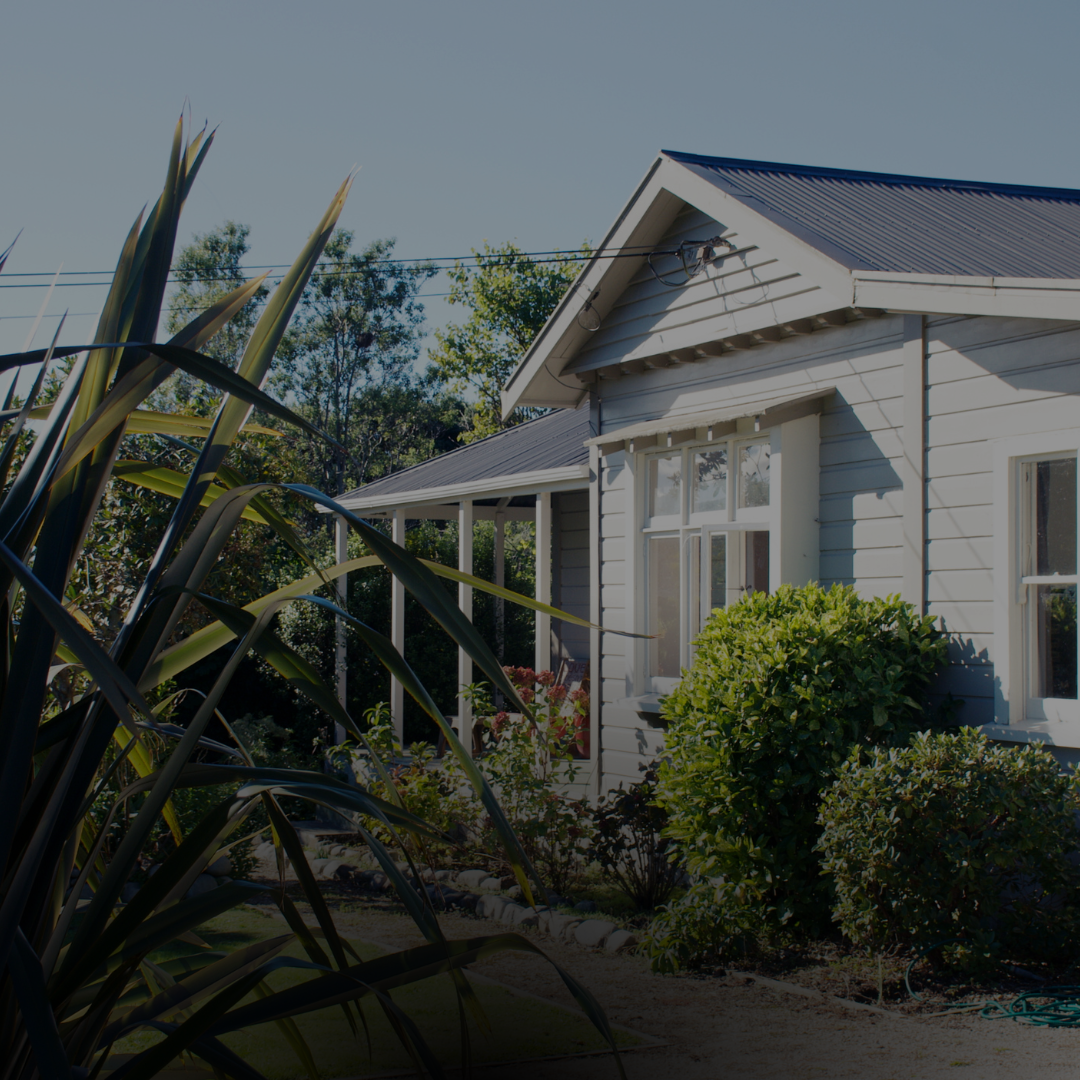
In New Zealand, concrete is our go-to material for residential foundations due to its strength, fire resistance, and thermal mass properties. When considering its environmental impact:
- Carbon Impact of Foundations vs. Entire Home:
- Foundations: The foundations of a house, typically constructed using concrete, can contribute up to 15-22.8% of the total carbon emissions of the entire building project (when tested on a global standard).
- Rest of the Home: The remaining carbon impact comes from other materials and systems used in the construction, such as framing, insulation, roofing, and interior finishes. Factors like energy use during occupancy and the overall design efficiency also play significant roles in the total carbon footprint.
- Local Sourcing:
- Reduced Transport Emissions: Sourcing raw materials locally can significantly reduce transportation-related emissions.
- Energy Efficiency:
- Thermal Mass: Concrete’s thermal mass can improve energy efficiency in homes by regulating indoor temperatures, reducing the need for heating and cooling.
- Recycling and Reuse:
- Circular Economy: Promoting the recycling of concrete at the end of its life can support a circular economy, reducing the demand for new raw materials and minimising waste.
To sum up…
Concrete remains a vital material in New Zealand’s construction industry. By understanding its lifecycle and carbon impact, we can make more sustainable choices. Innovations in production, the use of SCMs, and products like our own QPOD void formers contribute to reducing the environmental footprint of concrete. At QPOD, we are committed to supporting sustainable building practices that balance the benefits of concrete with environmental responsibility.
Explore more from QPOD
The Price of Concrete Goes Up : But Your Foundation Cost Needn’t Do The Same
Concrete is an essential part of the building process but in recent years, rising concrete prices have created challenges for builders and developers across New Zealand. Driven by global supply chain disruptions, increased demand for materials, and inflation, the cost...
Understanding PS3 and PS4 : How They Relate to QPOD Foundations
If you're involved in foundations or building in New Zealand you would have no doubt heard of PS3 and PS4 documents. These producer statements ensure that the foundation installation meets all necessary regulations. But where does QPOD fit into this process, and what...
QPOD’s Independent CodeMark Certification : What It Means For You
When you're involved in designing QPOD foundations and slabs, making sure you have the most up-to-date CodeMark manual is essential. While many of you may be familiar with the SuperSlab system certified through Allied Concrete, QPOD has now achieved its own...
Achieving the Perfect Finish: Polished Concrete Floors with QPOD
Here at QPOD we've noticed that polished concrete floors have become an increasingly popular choice for both residential and commercial builds due to their durability, low maintenance, and sleek look. One key advantage we find with using QPOD is that due to the...
Design Your Dream Home Drawing Competition
Whether you're a mini Picasso or just love scribbling outside the lines, here at QPOD Earth Friendly Foundations we want to see your most outrageous ideas. Print off the PDF below, grab your favorite crayons, markers, pens, pencils or glitter pens, and design your...
Innovating with Sustainability: How QPOD is Using Recycled Autex Material
At QPOD, we are committed to pushing the boudaries of what's possible while staying true to our core value of sustainability. As part of our ongoing efforts to reduce our environmental footprint, we are excited to introduce a new initiative: the use of recycled Autex...