
History
The Birth of Foundations
The concept of building foundations dates back to ancient civilizations. One of the earliest examples is the use of stone slabs by the ancient Egyptians around 2600 BC to support the massive weight of the pyramids. These early foundations were simple yet effective, made from locally available materials like stone and sand.
In ancient Mesopotamia, builders used mud bricks and bitumen, a natural tar, to create stable bases for their structures. The Greeks and Romans further refined foundation techniques incorporated architectural principles that improved load distribution.
The Middle Ages : Foundations in Europe

During the Middle Ages, European builders continued to innovate. Castles and cathedrals required robust foundations to support their immense weight and withstand sieges. Builders used deep trenches filled with stone and lime mortar, a precursor to modern concrete, to ensure stability.
The Gothic cathedrals of the 12th and 13th centuries, with their soaring heights and delicate designs, posed unique challenges. Builders responded with advanced techniques, including the use of piers and flying buttresses to distribute the weight and maintain stability.
The Industrial Revolution: A Turning Point
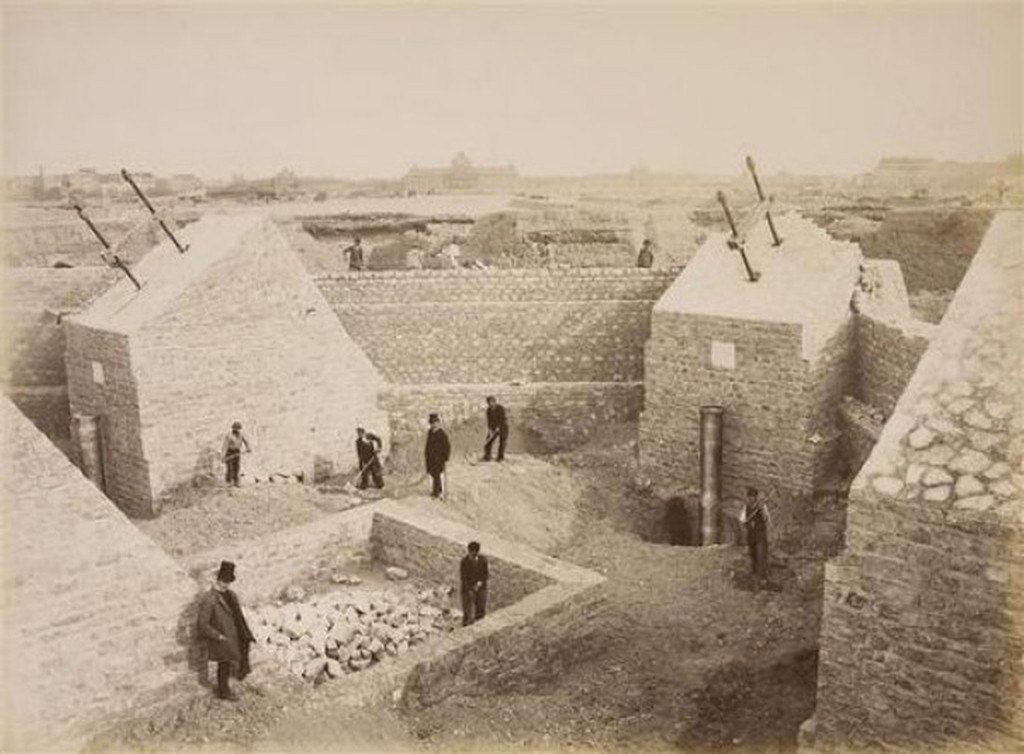
The Industrial Revolution in the 18th and 19th centuries brought significant advancements in foundation technology. The introduction of steel and reinforced concrete revolutionised construction. Engineers like John Smeaton and Isambard Kingdom Brunel pioneered new methods, including the use of deep foundations such as piles and caissons.
In 1889, the Eiffel Tower’s foundation exemplified modern engineering. Gustave Eiffel used iron caissons filled with concrete, demonstrating how innovative foundation techniques could support unprecedented heights and weights.
Foundations in New Zealand: Adapting to Local Conditions
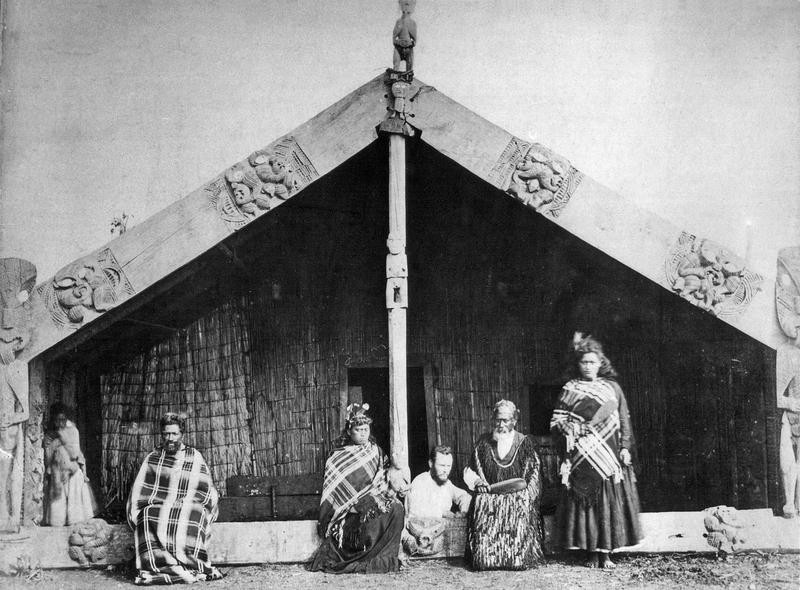
New Zealand’s unique geological and environmental conditions, such as earthquakes and varying soil types, have driven the development of innovative foundation technologies.
Before European settlers arrived, the Maori used deep-set wooden posts in their wharenui (meeting houses) for stability, an early form of pile foundation.
In the 19th century, European settlers initially used traditional stone and brick foundations but soon adapted to local conditions by using timber piles, known for their flexibility and resilience in earthquake-prone areas.
Making Foundations Eco-Friendly
Today, New Zealand continues to lead in foundation innovation, combining sustainability with cutting-edge technology. QPOD foundations utilise recycled plastic pods to create a stable and sustainable foundation for the next generation of kiwi homes..
These foundations not only provide excellent load distribution and durability but also address environmental concerns by recycling plastic waste. This innovative approach aligns with New Zealand’s commitment to sustainability and resilience in the face of natural disasters.
The Future of Foundations
As we look to the future, foundation technology will continue to evolve, driven by advances in materials science, engineering, and environmental consciousness. From ancient stone slabs to modern recycled plastic pods, the journey of foundations reflects humanity’s relentless pursuit of stability, safety, and more latterly, sustainability.
For New Zealand, the path forward lies in balancing innovation with respect for the unique geological challenges and environmental responsibilities we face.
Explore more from QPOD
The Significance of Sustainable Building Products in New Zealand
A common question that arises for homeowners or first home buyers when they start learning about their new build and all the new jargon that comes with it is raft or conventional?
Are we building better after the floods?
The floods throughout the North Island in early 2023 destroyed countless homes. We’re taking a closer look…
Non-Standard Details You Don’t Often See Onsite
In this video we explore some of the non-standard details you won't often find on a site, let alone all on one site! Enjoy!
Understanding the new BPIR Regulations
BPIR Objectives Starting on December 11, 2023, revised regulations pertaining to Building Product Information Requirements (BPIR) will come into force here in New Zealand. The primary objective of these regulations is to provide users of building products with...
QPOD Napier Open Day Wrap
Here at QPOD™ Foundation Systems we’re always excited when we have the opportunity to open up a building site to the trade, and allied partners including builders, geotechs, and architects and open the discussion around the problem QPOD™ solves, and see a real life building site who have used and specified QPOD™ as the foundation solution.
QPOD™ Raft Slab or Conventional?
A common question that arises for homeowners or first home buyers when they start learning about their new build and all the new jargon that comes with it is raft or conventional?