
THE FUTURE
Why Rainharvesting Is No Longer Optional
As urban development accelerates and climate patterns shift, the way we think about water — and design for it — is evolving. Across New Zealand and globally, regulatory, environmental, and consumer pressures are converging on one clear demand: resilient, decentralised water solutions that reduce demand on infrastructure and make the most of what falls from the sky.
From Compliance to Contribution
Historically, stormwater detention and rainwater reuse were treated as separate systems. One was about slowing water down; the other, about collecting it. Increasingly, however, the two are being integrated into smarter, dual-purpose infrastructure — particularly beneath buildings, where space is at a premium.
Underground tanks like SlabTank™ are already being specified for attenuation purposes. When paired with automated rain-to-mains systems, these tanks become more than just storage — they actually become part of a responsive water supply network.
Designing for Volatility
Rainwater reuse reduces pressure on central infrastructure, particularly during peak demand or drought. But perhaps more importantly, it decentralises resilience — giving each home or building the ability to manage part of its own water use. This shift from passive to responsive infrastructure is already playing out internationally and is beginning to take hold in New Zealand projects that prioritise sustainability, water-sensitive urban design, or both.
With the right setup, rainwater can be used for non-potable applications like:
-
Toilet flushing
-
Laundry
-
Garden irrigation
-
General outdoor use
These may seem like small wins — but across a suburb, they compound into meaningful reductions in municipal demand.
Anticipating Regulation, Enabling Performance
It’s not just our climate that’s changing — policy is catching up. More councils are incorporating rainwater reuse and detention requirements into subdivision consents, building consents, and urban stormwater design guidelines. In some areas, water metering is already in place or being rolled out — and with that comes increased scrutiny on water consumption.
Designers, developers, and homeowners who integrate reuse systems early are not only ahead of compliance — they’re aligning with the future direction of the building code, planning frameworks, and public expectation.
From Green Star ratings to local council mandates, buildings that actively manage water — both inflow and outflow — are better equipped to meet performance targets and certification pathways.
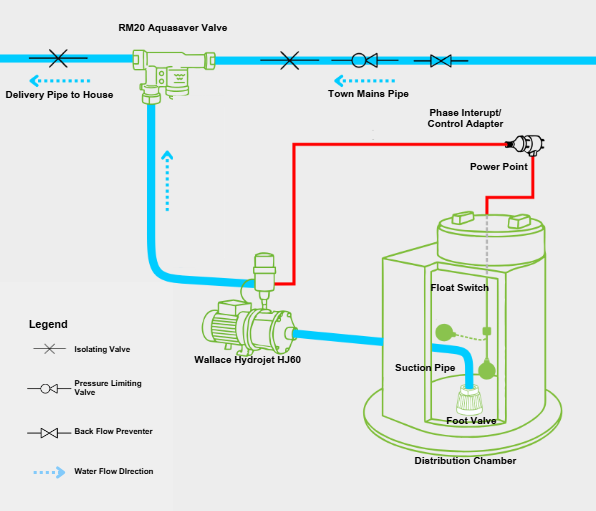
The Rainharvester Auto system connected to a SlabTank™ — delivering automatic rain-to-mains water supply from beneath the slab, deck or drive.
A System That Works With, Not Against
The challenge historically has been complexity — many rainwater systems require manual switching or sit idle when tanks run dry. That’s changing. Automated systems, like the SlabTank™ Rainharvester Auto now offer a seamless experience: rainwater is used first, then mains is automatically triggered when needed, and switched back again without intervention.
These systems are practically invisible. But their long-term benefits are measurable, not just in cost savings, but in infrastructure support, water stewardship, and climate resilience.