
THE FUTURE
Key signals for residential design and construction in '25
On 23 May 2025, New Zealand’s Minister of Finance, Hon Nicola Willis, delivered the Government’s first full-year Budget. With an emphasis on economic discipline, the Budget outlines $6.7 billion in new operating spending—offset by $5.3 billion in savings. It’s a fiscally conservative plan, aimed at reducing waste and reining in government costs.
So, what does that mean for those of us working in residential construction, design, and development?
Here’s our take on what this Budget means for your business, and what you can expect in the year ahead.
A Leaner Government Role in Construction
This year’s Budget doesn’t include new funding streams for housing or construction beyond what’s already in motion. In fact, key industry initiatives like the Construction Sector Accord are being wound down, and funds across various portfolios have been scaled back or closed.
What to expect:
Fewer large-scale, government-led housing initiatives. For residential, it’s more about continuing business-as-usual, driven by homeowner demand and private development. If your work is already geared toward small-to-medium-scale builds, renovations, or infill developments, this won’t disrupt your current model – but it’s unlikely to provide any tailwinds either.
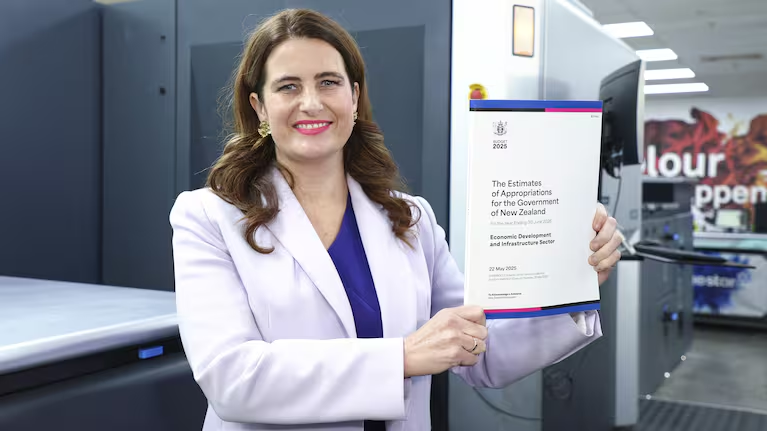
Finance Minister Nicola Willis presents Budget 2025 — a fiscally tight plan with a clear message: productivity and efficiency must drive the next chapter of New Zealand construction.
Regulatory Reform Still on the Horizon
The Government confirmed its intention to replace the Resource Management Act through the Natural Environment Bill and the Planning Bill, both of which are in development. These reforms are designed to simplify the planning and consenting system, which has long been a pain point in residential construction.
What to expect:
A better system eventually. While it’s promising, these changes won’t impact projects in the next few months. Architects and builders should stay engaged in the consultation process and prepare for adjustments in how projects get approved in the future.
Innovation Is Being Reorganised, Not Expanded
Callaghan Innovation is being disestablished, with responsibilities shifting to MBIE. Several science and technology reforms are underway, including the creation of new research bodies focused on bioeconomy and materials science. There’s also the formation of Invest New Zealand, a new agency tasked with attracting capital into sectors including construction tech.
What to expect:
Short term, not much. But long term, the foundations are being laid for a more coordinated national approach to innovation and investment. For those already using sustainable systems—like QPOD’s 100% recycled plastic foundation system—it’s encouraging to see alignment with where things are heading, even if direct support isn’t here yet.
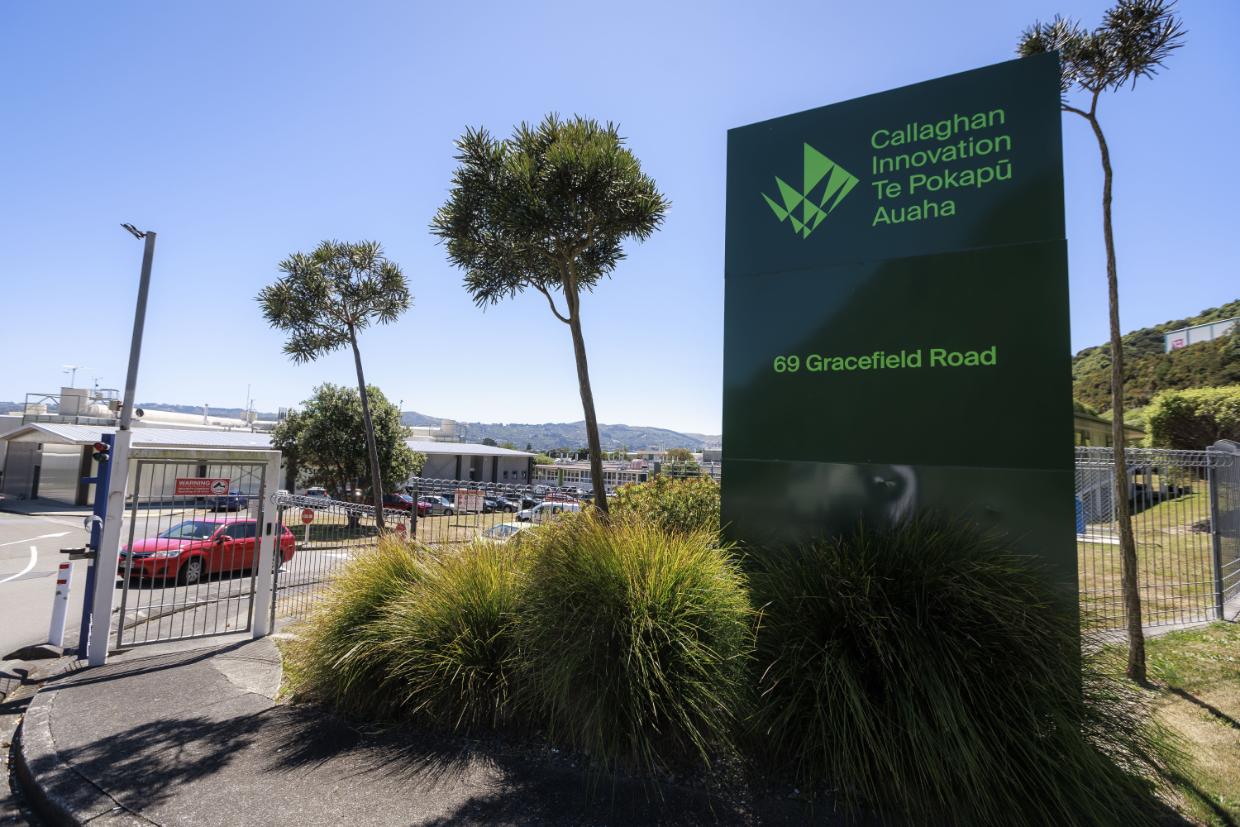
Callaghan Innovation, a crown-owned entity, is being dissolved, with parts of the organisation to be transferred to MBIE.
The Market Still Needs You
There’s a clear message running through Budget 2025: the construction sector must become more productive, more efficient, and less dependent on subsidies. With ongoing cost pressure across materials, labour, and compliance, solutions that save time, reduce waste, or simplify the site will only grow in value.
What to expect:
Builders and designers who adopt modular, well-considered systems (like QPOD) will be better positioned to keep projects moving—and clients happy—even in a slower, tighter market.
In Summary
This Budget doesn’t introduce new funding pathways for the residential construction sector—but it does set the tone. The government is stepping back. The sector will need to keep moving.
For businesses like yours and ours, that means:
-
Keeping workflows lean
-
Staying across planning reform
-
Leaning into innovation that adds real value
At QPOD, we’re here to support you with solutions that are not only CodeMark-certified and locally made – but designed to perform under exactly these kinds of conditions.
Reach out to us below if you’d like to explore how our foundation systems can support your projects into the future.