
THE ETERNAL FOUNDATION
Builds That Lasts Forever
In an age where buildings are designed to fit a warranty of 50 years, the idea of creating homes and structures that last for hundreds of years may seem a little more ambitious. Yet, history shows us that it’s not only possible—it’s actually been done. The Great Pyramid of Giza, the Pantheon in Rome, and Machu Picchu, all sit on foundations that have lasted for thousands of years.
So what’s the key to their longevity? Thoughtful engineering, durable materials, and a profound understanding of the environment. Today, modern science and innovation are reviving these principles and pushing them even further with sustainable technologies.
So What Makes a Foundation Last for Centuries?
Material Durability
Ancient builders used materials with exceptional longevity:
- Limestone and Granite: Resistant to weathering and compressive force.
- Roman Concrete: A mix of volcanic ash, lime, and seawater, which became stronger over time due to the formation of calcium-aluminum-silicate-hydrate (C-A-S-H) crystals.
Load Distribution and Structural Balance
Ancient foundations excelled in evenly distributing loads:
The pyramids’ broad, well-leveled bases reduced stress concentrations, preventing uneven settlement.
Adaptation to Environmental Conditions
Structures like Machu Picchu were designed to adapt to seismic activity and landslides through techniques like terracing and interlocking stones.
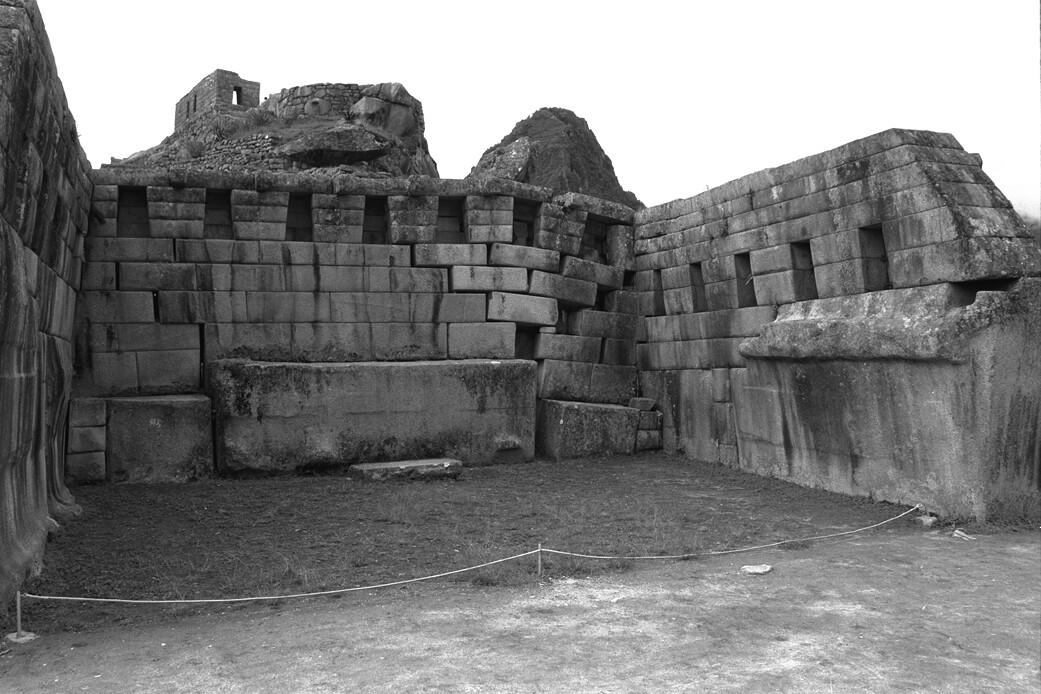
The Inca’s mastery of site preparation, seismic-resistant foundations, and advanced drainage at Machu Picchu has kept these walls standing for centuries—an enduring testament to brilliant engineering.
The Role of Sustainability in Long-Lasting Foundations
Long-lasting structures aren’t just about durability; they’re also about sustainability. By minimising the need for repairs and replacements, long-lasting foundations reduce the environmental impact of construction over time.
- Circular Economy Principles:
- Here at QPOD we embrace the circular economy by using recycled plastic waste. This reduces the demand for virgin materials, lowers carbon emissions, and diverts plastic from landfills.
- Low Maintenance:
- A durable foundation reduces the frequency of repairs, conserving resources and reducing waste.
The Science of Building for Future Generations
Modern engineering, combined with innovative materials like QPOD, allows us to design foundations that can last for generations. By focusing on:
- High-Performance Materials resistant to decay and environmental stressors,
- Load Distribution Techniques that minimise structural strain,
- Sustainability Practices that reduce environmental impact,
We can create homes that stand the test of time.