
FOUNDATIONS ON MARS
What we're learning
We usually talk about building here on Earth, but what if we looked beyond—to the Moon and Mars? NASA’s Artemis program is looking at ways that we can return humans to the Moon; but it’s also laying the groundwork for future missions to Mars. And the innovations driving these missions are teaching us valuable lessons about building foundations right here on Earth.
And in this acticle we take a look at how Artemis is inspiring a new era of sustainable, resilient construction—and how we can apply these lessons right here in New Zealand.
What is the Artemis Program?
NASA’s Artemis program aims to land “the first woman and the next man” on the Moon, with the goal of establishing a sustainable presence by the end of the decade. This lunar base will act as a testing ground for future Mars missions. Artemis is pushing the boundaries of construction in space, demanding innovative solutions to build habitats in extreme environments.
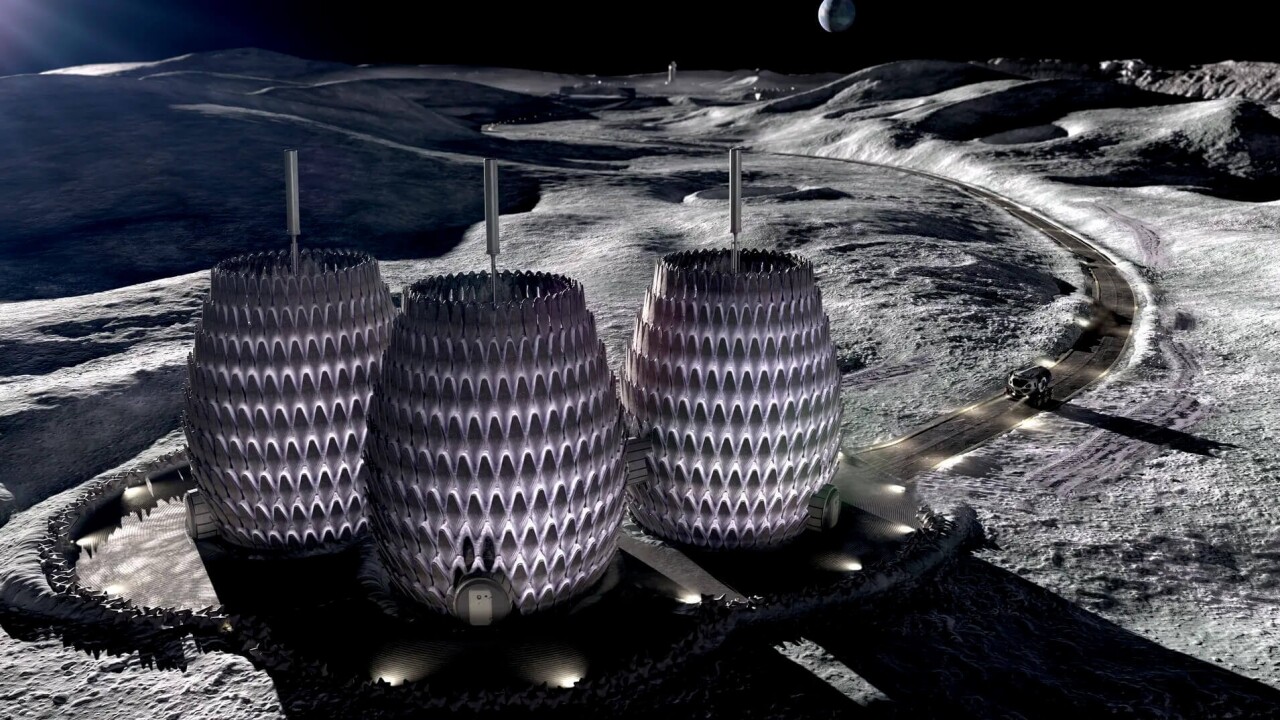
NASA plans to build homes on the moon for astronauts and civilians by the year 2040.
So what are we learning?
So what are we learning about construction up there in space, that we can apply down here on Earth to make building even more effecient:
1. In-Situ Resource Utilisation (ISRU): Building with Local Materials
In space, every kilogram of material transported is precious. That’s why Artemis missions are designed to use lunar regolith (Moon soil) to 3D-print structures, dramatically reducing the need for supply missions from Earth. The goal is to create habitats using resources already available on the Moon, maximising efficiency and sustainability.
On Earth:
We face similar challenges when it comes to sustainability, cost, and resource scarcity. The idea of In-Situ Resource Utilisation (ISRU) can inspire us to think differently about how we source building materials. Instead of relying on imported resources, we can:
- Maximise Locally Sourced Materials: Reduce transportation emissions and costs by using materials readily available in New Zealand.
- Embrace Recycled Resources: Turn waste into building solutions. Products like our own QPOD foundation systems, made from 100% recycled plastic, are proof of how waste can be transformed into durable, high-performance foundations.
- Reduce Carbon Footprints: Local and recycled materials significantly lower the environmental impact of construction, helping New Zealand move toward net-zero goals.
Just as Artemis is proving that we can build sustainable habitats on the Moon, we can apply these principles to create buildings that are lighter on the planet here at home.
2. Extreme Efficiency: Waste Isn’t an Option
On the Moon and Mars, efficiency is everything. The Artemis missions don’t have the luxury of endless resources, so every gram of material must be optimised and moreover utilised. Through the use of precise 3D printing, modular design, and resource-conscious planning, these missions achieve maximum output with minimal waste.
On Earth:
While we may not be building in the vacuum of space, we’re facing our own quite unique challenges: rising material costs, environmental impact, and the urgent need to reduce construction waste. By adopting the principles of extreme efficiency, we can rethink how we build in New Zealand, as well as of course more globally.
- Cut Down Waste: Technologies like 3D printing allow us to build with exact specifications, ensuring materials are used precisely where they’re needed—no more, no less.
- Lower Costs: Efficiency means using fewer materials and labour hours, ultimately reducing expenses without sacrificing quality or durability.
Imagine homes and foundations in New Zealand as resource-efficient as a lunar base—where every bit of material counts, and waste is a thing of the past. The thing is, efficiency isn’t just smart; it’s essential.
3. Building for Harsh Conditions
Lunar and Martian environments are relentless—with extreme temperatures, harmful radiation, and constant seismic activity. Foundations for Artemis habitats must be resilient, adaptable, and self-sustaining to withstand these challenges. The stakes are high, and failure is not an option.
On Earth:
Here in New Zealand, we contend with our own harsh conditions: earthquakes, floods, and ground that’s pretty fracturous to say the least. The principles of resilient design from Artemis can inspire us to build stronger, more adaptable foundations that protect both people and investments.
The Moon teaches us that building for resilience isn’t optional; it’s the only way forward. And here on Earth, especially in New Zealand, it’s a lesson we can’t afford to ignore.
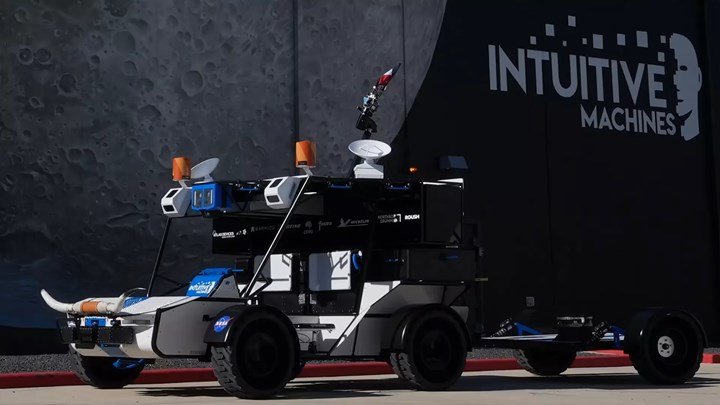
The Moon RACER is a 2.6-meter-tall, 3.7-meter-wide autonomous vehicle designed to tow a 33-meter-long trailer. This capability is crucial for transporting and operating equipment on the lunar surface, making it a key asset for future Moon missions.
The Future is Here (and Out There)
As we reflect on the end of 2024 and look ahead to 2025, the lessons from Artemis remind us of one thing:
If we can build sustainable, resilient habitats on the Moon and Mars, there’s no reason we can’t build a greener, smarter future here in New Zealand.
The question is: are we ready to take that giant leap?