
NEW ERA FOR RESIDENTIAL BUILDING IN NEW ZEALAND
Self Certification and Faster Inspections
The government has announced sweeping reforms aimed at modernising New Zealand’s building consent and inspection process — with implications for architects, designers, and builders.
Approved building firms, plumbers, and drainlayers will soon be able to self-certify their work for simple residential dwellings, bypassing traditional Building Consent Authority (BCA) signoffs and inspections.
At the same time, councils will face new performance targets to complete inspections faster, aiming to ease costly project delays and make faster delivery of new homes a reality.
It’s a big shift: less red tape, faster builds, and greater responsibility on qualified professionals.
So What’s Changing?
Announced by Building and Construction Minister Chris Penk, the government’s new policy includes two key pillars:
1. Opt-In Self-Certification Scheme
Reputable building companies, plumbers, and drainlayers will be allowed to sign off their own work without waiting for council inspections — provided they meet strict eligibility criteria.
Initially limited to simple, single-storey residential dwellings, the scheme is intended to streamline the process for companies that deliver high volumes of standardised housing.
2. Mandatory Inspection Timeframes
Councils will be required to complete 80% of building inspections within three working days.
Performance will be tracked publicly via quarterly data releases, encouraging councils to prioritise workloads and reduce bottlenecks.
Legislation to enable the self-certification framework will be introduced by the end of 2025. Inspection targets will take effect earlier.

Prime Minister Christopher Luxon and Building Minister Chris Penk are driving the change to speed up building. (Image: NZME)
Why These Changes Matter to Architects and Builders
1.Faster Project Delivery
Current wait times for inspections can stretch beyond a week, costing builders and their clients hundreds of dollars per day. Streamlining consent and inspection processes will significantly reduce downtime and improve project sequencing.
2. Greater Design Flexibility
By reducing bureaucratic hurdles for compliant, low-risk designs, architects and builders can focus more on quality delivery and less on administrative risk management.
3. Higher Professional Accountability
Self-certification shifts more responsibility onto designers and builders to ensure code compliance from day one. Firms that invest in quality assurance processes will benefit; those that don’t will face greater scrutiny.
4. Opportunity for Standardised Systems
The shift toward self-certification is likely to favour simple, repeatable solutions that support efficiency and consistency across projects. Modular foundation systems, panelised construction, and prefabricated elements will align well with this approach. Systems such as QPOD’s recyclable pod foundations – designed with standardisation and replicability in mind that may offer practical advantages for firms looking to streamline delivery while maintaining compliance and quality.
Key Risks and Considerations
While the move toward faster approvals and self-certification offers clear benefits, it is not without risk.
New Zealand’s construction sector has lived through the consequences of poorly regulated building practices before — most notably the Leaky Homes Crisis of the 1990s and early 2000s, where changes to materials, building methods, and oversight led to widespread building failures.
Key risk factors to watch include:
-
Reduced Independent Oversight:
If certification processes become too informal or are applied beyond simple, low-risk projects, there is a risk of latent defects going undetected during construction. -
Material Innovation Without Sufficient Testing:
Adoption of new materials or systems without adequate real-world performance data can expose buildings to unforeseen durability issues. -
Inconsistent Skill Levels:
While the policy aims to restrict self-certification to proven professionals, variability in workmanship standards always exists and must be carefully managed. -
Design Interpretation Risks:
Greater reliance on builders to “build to intent” rather than tightly controlled inspections can lead to gaps between design and execution.
For architects and engineers, this reinforces the need for:
-
Rigorous design documentation, with minimal ambiguity.
-
Careful material selection with proven durability.
-
Transparent quality assurance processes at every stage.
Foundation systems like QPOD, which are modular, standardised, and built around repeatable processes, may help mitigate some risks by reducing on-site variability and ensuring consistent outcomes. However, as with any part of the structure, careful specification, detailing, and oversight remain critical.
A more agile building system must not come at the cost of long-term building performance.
It is essential to balance speed and affordability with durability, resilience, and quality.
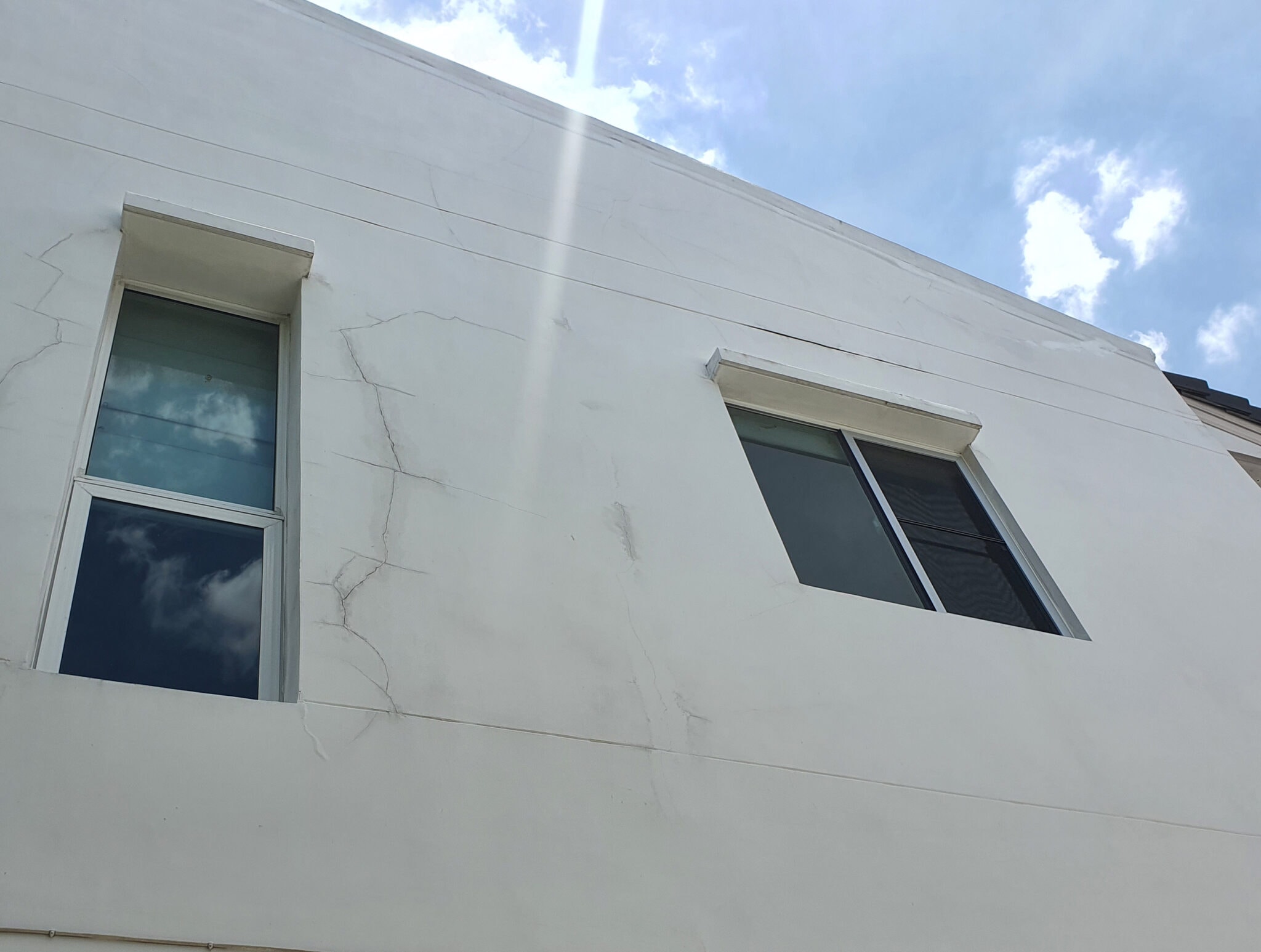
Faster builds are important — but lasting quality must always come first. Let’s avoid repeating the lessons of the leaky homes era.
Conclusion: Faster, Smarter, Higher-Quality Builds
The move towards self-certification and inspection targets reflects a broader trend globally:
streamlining approvals, trusting professional competency, and building better, faster.
Architects, builders, and developers who align with these principles — standardisation where appropriate, material innovation, lifecycle-focused design — will be best placed to succeed in this new environment.
Foundation systems that are simple, scalable, and performance-proven will be at the core of this next chapter in New Zealand building.
The future of construction will belong to those who can deliver precision, performance, and speed — not just promises.