
Foundation insulation compared
SlabCore vs EPS
When it comes to foundation insulation, we often see our clients weighing up the choice between SlabCore and EPS. SlabCore offers superior performance and is much easier to install, while EPS is more budget-friendly.
We’ve covered the SlabCore vs. EPS debate before (you can find useful resources linked at the end of this article), but this time we’re putting them head-to-head. We’ll compare how they perform in cutting, the mess they create, and their overall density.
So, grab your coffee, sit back, and let’s dive in—no broom-waving required!
When it comes to foundation insulation, we often see our clients weighing up the choice betweenSlabCore and EPS. SlabCore offers superior performance and is much easier to install, while EPS is more budget-friendly.
We’ve covered the SlabCore vs. EPS debate before (you can find useful resources linked at the end of this article), but this time we’re putting them head-to-head. We’ll compare how they perform in cutting, the mess they create, and their overall density.
So, grab your coffee, sit back, and let’s dive in—no broom-waving required!
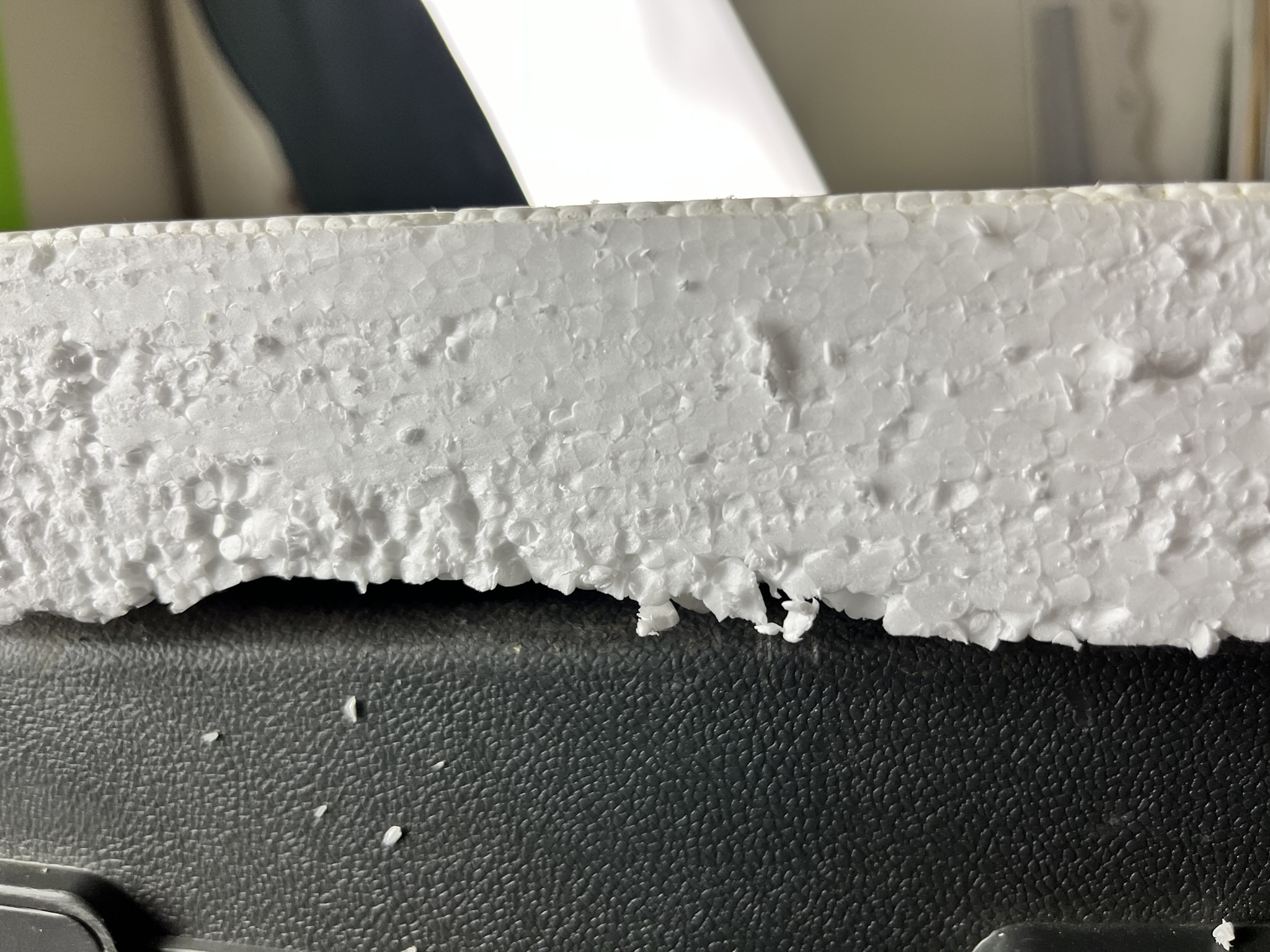
The Composition of EPS
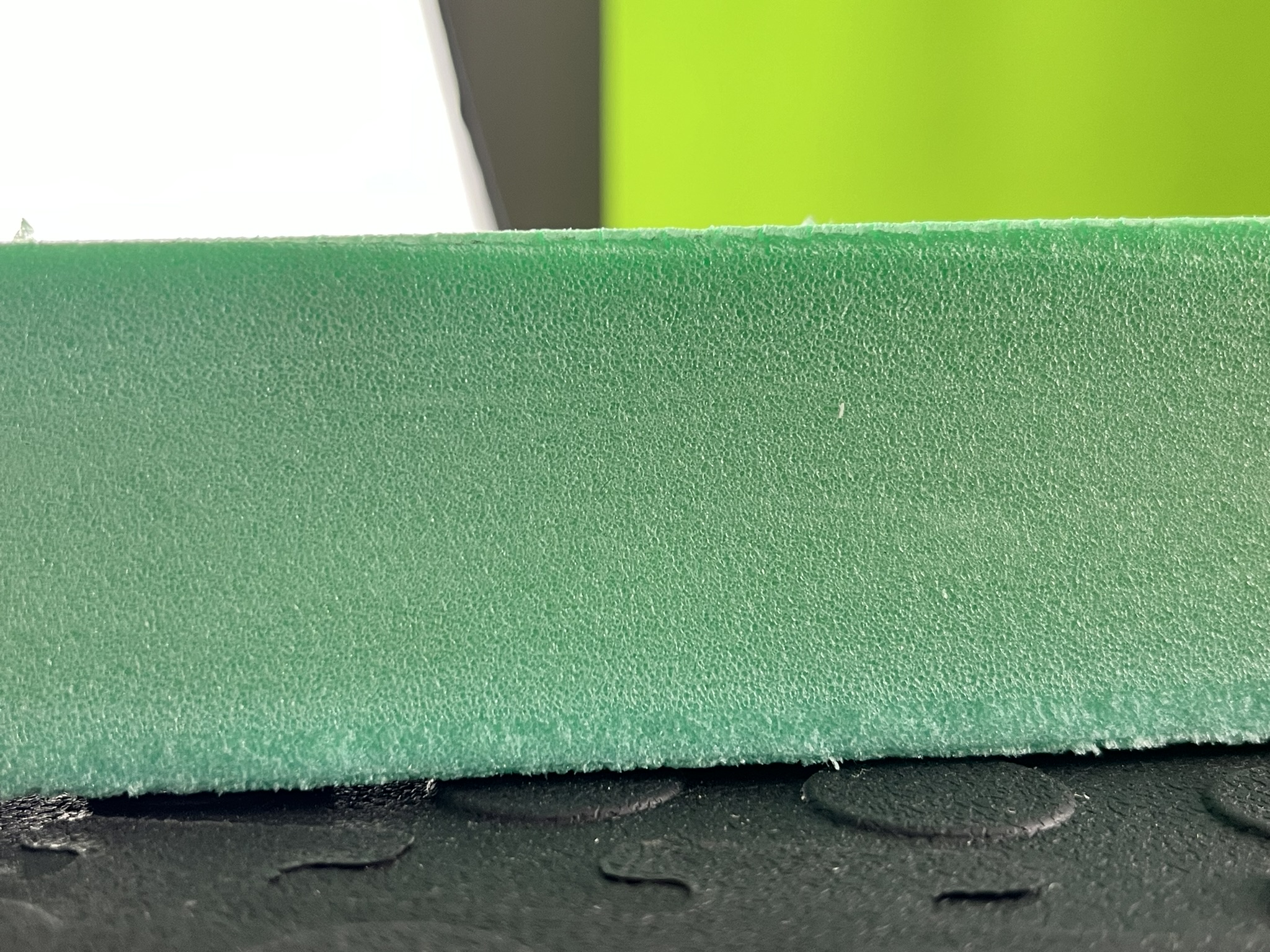
The Composition of SlabCore
SlabCore (Extruded Polystyrene) is a more robust option for foundation insulation. Its denser, closed-cell structure, created through the extrusion process, resists water absorption, maintaining its insulation properties even in wet conditions.
Compared to EPS, SlabCore offers superior compressive strength, making it ideal for heavier load-bearing applications. Additionally, SlabCore is much cleaner to work with—there’s no mess of foam beads during cutting, keeping your job site tidy and efficient. For projects demanding durability and moisture resistance, SlabCore is a dependable choice.
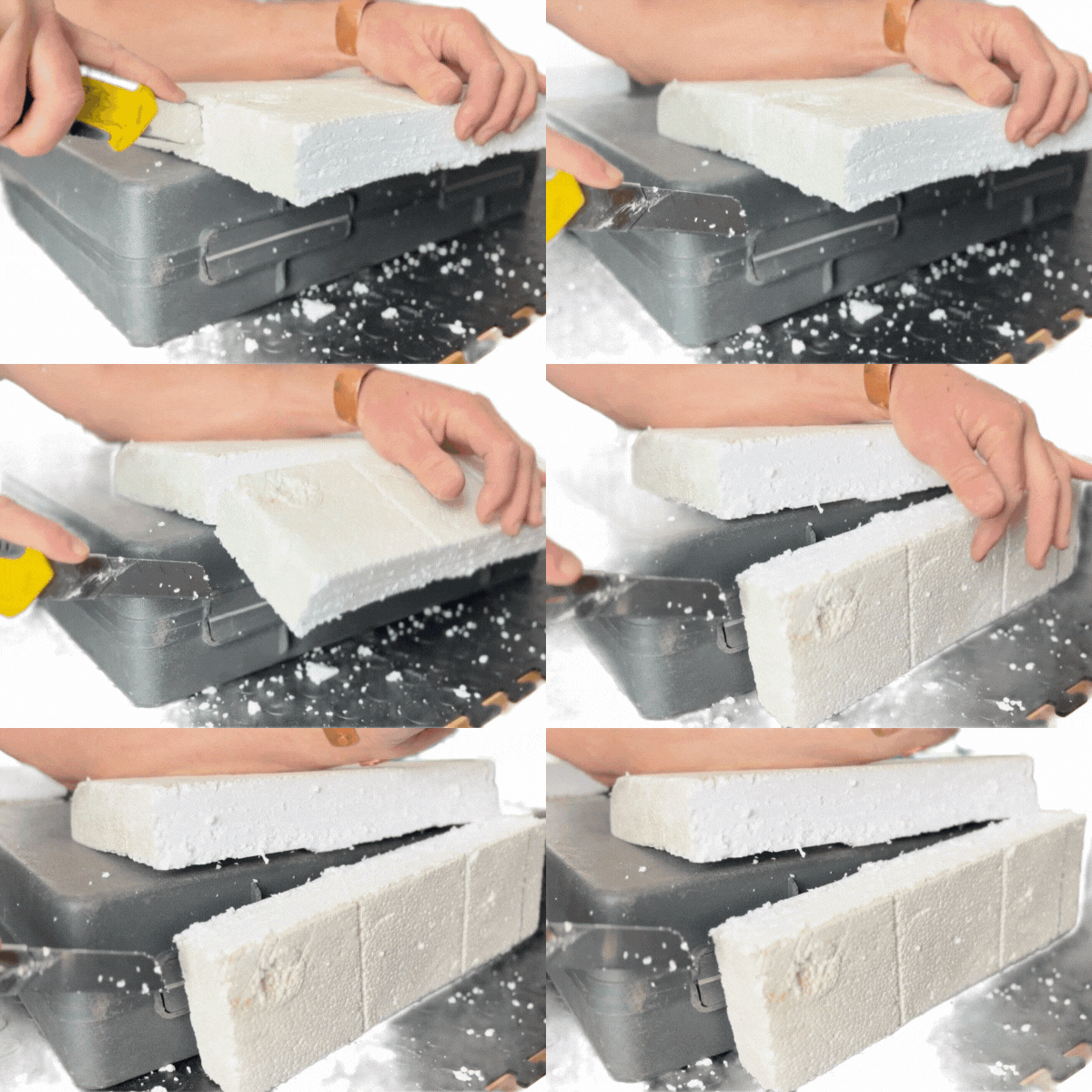
Cutting EPS
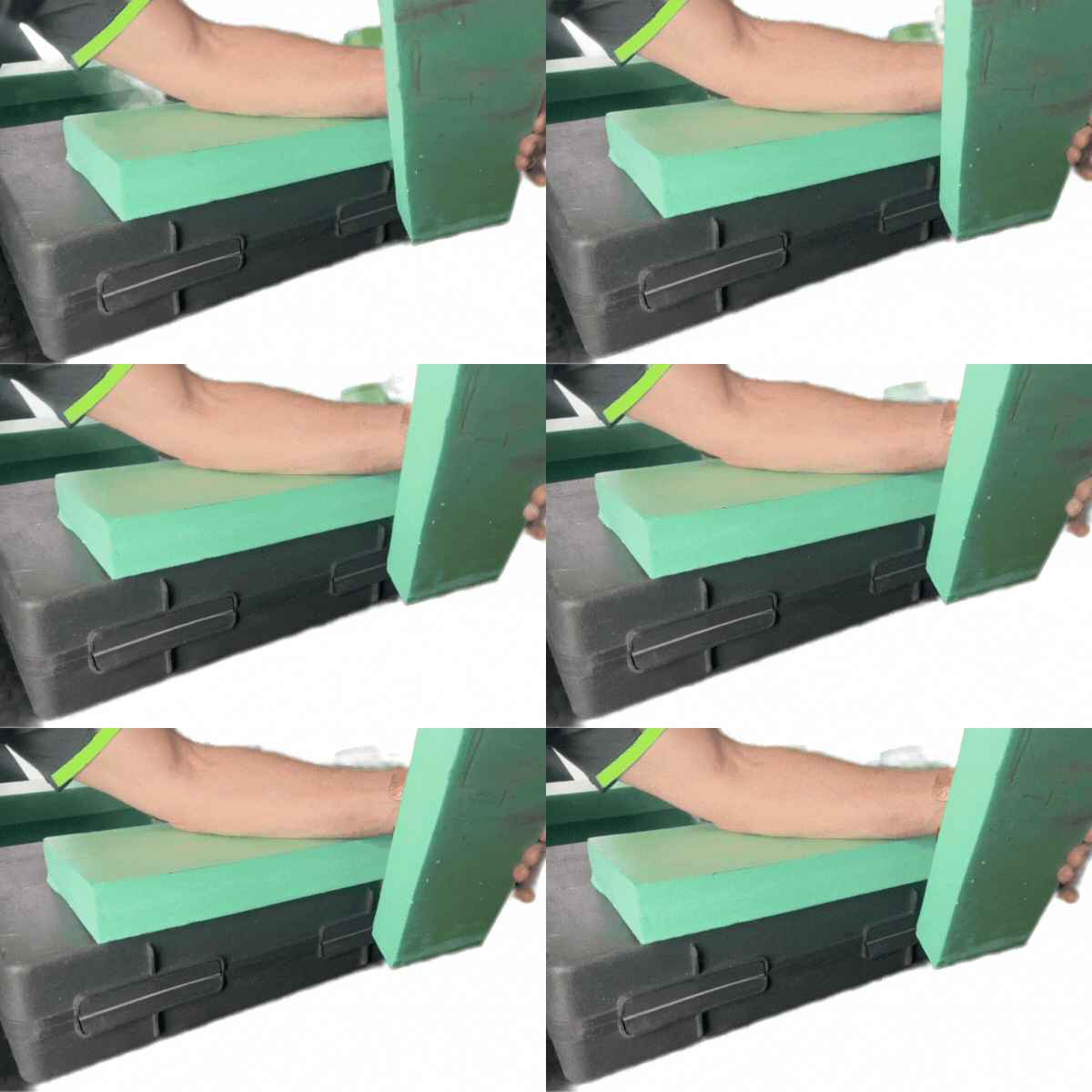
Cutting SlabCore
The One Minute Showdown
In this rapid side-by-side, we throw SlabCore and EPS into the ring for the ultimate mess test, rub test, and surface density showdown—all in under a minute. See how these two stack up when it comes to durability and density, because let’s face it—no one’s got time for foam flakes flying all over the place.
EPS: Messy Stuff
To Sum Up
In the end, EPS can offer some cost savings upfront, but the mess it leaves behind is often more trouble than it’s worth. From foam beads blowing around to insulation that loses its strength when exposed to moisture, EPS can create challenges down the road. If you’d rather keep your job site clean and your reputation solid, it might be time to consider a more reliable option. We’ve included some helpful resources below to guide you in making the best choice for your next project.